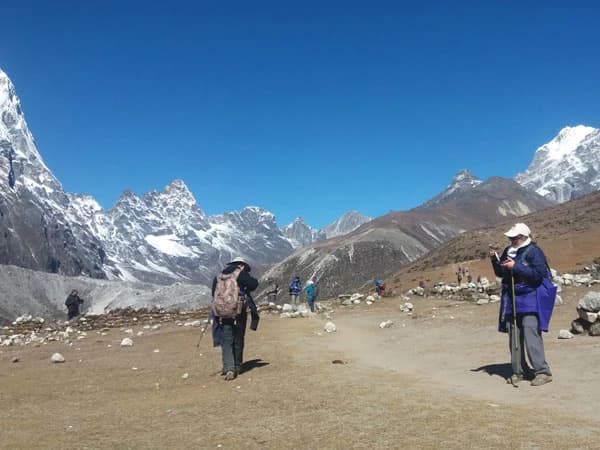
Quick Decision Summary (Which Trek Should You Choose?)
|
Feature
|
Manaslu Circuit Trek
|
Tsum Valley Trek
|
Combined Trek
|
|
Duration
|
14 to 18 days
|
16 to 21 days
|
18 to 24+ days
|
|
Max Altitude
|
Larke La Pass 5,106m
|
Mu Gompa region 3,700m+
|
5,106m
|
|
Difficulty
|
Moderate to difficult
|
Moderate
|
Difficult
|
|
Permit Complexity
|
High
|
High
|
Highest
|
|
Crowd Level
|
Moderate
|
Very low
|
Very low
|
|
Main Experience
|
High pass adventure
|
Spiritual Valley culture
|
Complete Himalayan immersion
|
|
Accommodation
|
Better teahouses
|
Basic lodges
|
Mixed
|
|
Cost Range
|
Mid to high
|
Mid to high
|
Highest
|
Quick Answer Section
Choose the Manaslu Circuit Trek if you want dramatic mountain crossings, glacier valleys, and a challenging high-altitude pass trek through Mount Manaslu landscapes.
Choose Tsum Valley Trek Nepal if you prefer cultural immersion, Tibetan Buddhist monasteries, hidden valley trekking, and quieter trails with less altitude pressure.
Choose both if you want Nepal’s most complete remote wilderness and spiritual journey combined into one expedition-style trek.
Overview of Manaslu Circuit Trek
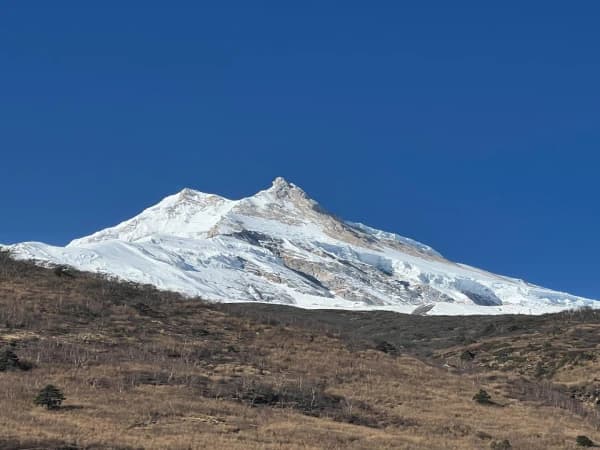
The Manaslu Circuit Trek is one of Nepal’s best high-altitude trekking routes. The trail circles Mount Manaslu through glacier valleys, suspension bridges, alpine forests, and remote Himalayan settlements before crossing Larke La Pass at 5,106 meters.
The trek begins from Machha Khola and follows the Budhi Gandaki River through Jagat, Deng, Namrung, and Samagaun. As altitude increases, the landscape changes from subtropical valleys into exposed alpine terrain with glacier views and snow-covered ridges.
Larke La Pass is the hardest section of the route. Many trekkers walk for 10 to 12 hours during the crossing day because the weather changes rapidly above Dharamsala. Snowfall, strong winds, and oxygen reduction make this section physically demanding even for experienced hikers.
Samagaun plays a major role in acclimatization because trekkers often spend an extra acclimatization day there before ascending toward Samdo and Dharamsala. This reduces altitude sickness Nepal risks before entering the high altitude pass section.
Overview of the Tsum Valley Trek
The Tsum Valley Trek Nepal focuses more on spiritual culture and the isolated Himalayan lifestyle than on extreme mountain crossings. The valley was historically restricted from outside influence, which helped preserve its Tibetan Buddhist identity and traditional villages.
The route branches from Lokpa and climbs through Chumling, Chhokangparo, Nile, and Mu Gompa. Compared to the Manaslu Circuit Trek, the terrain is less technical, but the isolation feels stronger because villages are smaller and infrastructure is more limited.
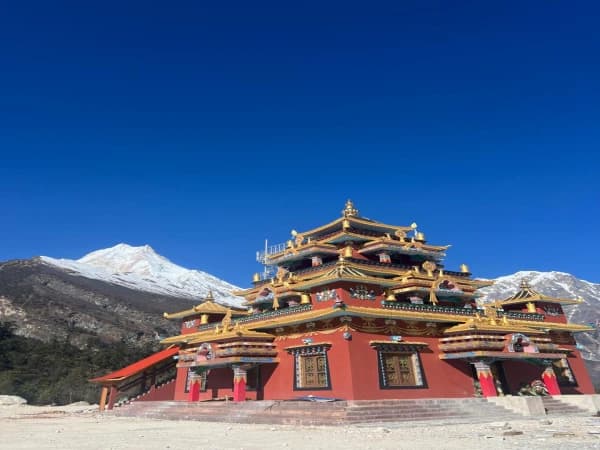
Mu Gompa and Rachen Gompa are the most important monasteries in the valley. Trekkers often describe the route as a spiritual journey because prayer walls, mani stones, monasteries, and meditation caves appear constantly along the trail.
The valley also offers quieter trekking conditions. Even during the peak autumn season, some trekkers walk several hours without meeting another group. This level of Himalayan isolation is now difficult to find in Nepal’s more commercial trekking regions.
Manaslu vs Tsum Valley: Core Differences Explained
The biggest difference between these treks is their trekking philosophy. Manaslu focuses on physical challenge and alpine progression, while Tsum Valley focuses on spiritual immersion and cultural preservation.
The Manaslu and Tsum Valley trek also differ in scenery style. Manaslu delivers glacier valleys, massive snow peaks, and dramatic mountain passes. Tsum Valley offers hidden settlements, cliffs, caves, and wide open Himalayan plateaus surrounded by Ganesh Himal.
Infrastructure differs as well. The Manaslu trekking route map includes larger villages like Samagaun and Namrung with better teahouses and more food variety. Tsum Valley remains more basic, especially above Chhokangparo.
Crowd density is another major difference. The Manaslu Circuit now receives increasing international traffic, while Tsum Valley still feels remote and quiet. Many trekkers now combine both routes to balance adventure and culture.
Which Trek Is More Difficult?
The Manaslu Circuit Trek is physically harder because trekkers must cross Larke La Pass at 5,106 meters. The altitude gain becomes aggressive after Samagaun, and oxygen reduction affects energy, appetite, and recovery.
Tsum Valley has a lower maximum elevation, but daily trekking hours can still feel tiring because the trails are steep and remote. The difficulty comes more from trail repetition and basic infrastructure rather than extreme altitude exposure.
Trekkers asking which is harder, Manaslu or Tsum Valley, should understand the difference between physical difficulty and logistical difficulty. Manaslu requires stronger endurance and altitude adaptation, while Tsum Valley requires patience with simpler conditions and fewer facilities.
Beginners usually manage Tsum Valley better because there is no high-altitude pass crossing. However, both treks still require decent fitness, acclimatization awareness, and careful pacing to avoid Acute Mountain Sickness (AMS).
Information Gain Section
Many blogs only compare altitude numbers. In reality, the Larke La Pass becomes harder because trekkers often leave Dharamsala around 3:00 AM and walk continuously for 8 to 11 hours in freezing wind conditions below- 10°C during peak autumn mornings.
Scenery & Landscape Comparison
The Manaslu Circuit Trek delivers dramatic mountain scenery with glacier valleys, hanging ice walls, suspension bridges, and close views of Mount Manaslu. Samdo and Dharamsala provide exposed alpine landscapes rarely seen on lower Himalayan treks.
Tsum Valley scenery feels more spiritual and isolated. Instead of dramatic mountain crossings, trekkers experience hidden valleys, meditation caves, stone villages, and remote Himalayan isolation beneath Ganesh Himal.
Photographers often prefer Manaslu for large-scale mountain panoramas and sunrise light on snow peaks. Tsum Valley attracts travelers interested in human culture, monastery architecture, and traditional Himalayan village life.
The best scenery choice depends on trekking goals. Adventure seekers usually choose Manaslu, while slower cultural travelers often connect more deeply with Tsum Valley’s atmosphere.
Cultural Experience: Adventure vs Spiritual Immersion
Tsum Valley has one of Nepal’s strongest Tibetan Buddhist identities. Mu Gompa, Rachen Gompa, and Milarepa Cave remain active religious sites where monks continue traditional Himalayan practices.
The valley stayed isolated for generations, helping preserve local language, dress, architecture, and Buddhist customs. Many trekkers describe Tsum Valley as one of Nepal’s last truly preserved Himalayan cultural corridors.
The Manaslu region blends Nubri culture, Gurung communities, and Buddhist traditions. Villages like Samagaun and Namrung show stronger trekking development while still maintaining local mountain traditions.
Travelers wanting cultural depth usually connect more strongly with the Tsum Valley. Those wanting a balanced culture plus mountain adventure often prefer the Manaslu Circuit Trek.
Permits & Restrictions
The Manaslu Tsum Valley trek requires multiple restricted trekking permits because both regions fall under controlled trekking zones managed by the Nepal authorities.
Required permits usually include:
-
Restricted Area Permit (RAP)
-
Manaslu Conservation Area Project (MCAP)
-
Annapurna Conservation Area Permit (ACAP)
-
Tsum Valley Restricted Permit
Independent trekking is not allowed. Trekkers must hire a licensed guide through a registered trekking company. This regulation exists because of remote rescue limitations and border security management.
Permit costs increase significantly during the autumn season. In peak months, the Manaslu Restricted Area Permit alone costs around USD 100 for the first seven days. Tsum Valley permits add additional fees depending on the season and duration.
Many trekkers underestimate permit logistics. Missing a single passport copy or permit detail in Jagat checkposts can delay trekking progress because restricted trekking in Nepal is tightly monitored by authorities.
Cost Comparison: Manaslu vs Tsum Valley Trek
The Manaslu Circuit Trek generally costs less than combining Manaslu with Tsum Valley because the itinerary is shorter and requires fewer restricted permit days.
Average 2026 package costs:
|
Trek
|
Approx Cost
|
|
Manaslu Circuit Trek
|
USD 1,300 to 1,900
|
|
Tsum Valley Trek
|
USD 1,500 to 2,200
|
|
Combined Trek
|
USD 2,100 to 3,200
|
Guide and porter costs increase the total budget, especially for smaller private groups. Food prices also rise with altitude because supplies are transported by mule or porter.
Hidden costs many trekkers ignore include:
Accessibility & Getting There
Reaching the Manaslu Tsum Valley trek is part of the adventure itself because transportation into the Gorkha trekking route remains long, rough, and weather-dependent. Unlike the Everest trek, there are no mountain flights. All access begins with an overland drive from Kathmandu toward Machha Khola through Arughat and Soti Khola.
Most trekkers now use shared or private jeeps because road upgrades have shortened travel time compared to older bus-only routes. In good weather, the Kathmandu to Machha Khola journey usually takes 8 to 10 hours. During monsoon season, landslides near Arughat and Jagat can extend travel beyond 12 hours.
The road quality changes constantly. Lower sections are partly paved, but many mountain stretches remain rocky, dusty, narrow, and exposed above river gorges. Between Soti Khola and Machha Khola, trekkers often experience cliff roads, temporary landslide diversions, and slow-moving mule traffic carrying trekking supplies.
Accessibility also affects trekking fatigue. Many trekkers underestimate how exhausting the road journey becomes before trekking even starts. Arriving late in Machha Khola after a rough drive can reduce recovery quality before the first trekking day.
After crossing Larke La Pass, the route descends through Bimthang and Dharapani, where road connectivity reconnects with the Annapurna region. From Dharapani, trekkers usually take a jeep to Besisahar before returning to Kathmandu.
In 2026, more trekkers are choosing hybrid trekking itineraries because road expansion has changed access flexibility across the Manaslu region. Some trekkers now shorten the lower trekking section by driving directly to Jagat during stable dry-season conditions, although landslides still make this unreliable during monsoon months.
Trekking Logistics Reality
|
Route Section
|
Average Time
|
Main Challenge
|
|
Kathmandu → Machha Khola
|
8-10 hrs
|
Rough mountain roads
|
|
Machha Khola → Jagat
|
Trekking begins
|
Suspension bridges
|
|
Dharapani → Besisahar
|
5-6 hrs
|
Seasonal jeep delays
|
|
Besisahar → Kathmandu
|
6-8 hrs
|
Traffic congestion
|
Accommodation & Food Comparison
Accommodation quality changes significantly throughout the Manaslu Circuit Trek with Tsum Valley because infrastructure becomes more limited deeper inside remote valleys. Trekkers expecting Everest-style lodge comfort often underestimate how basic upper Tsum Valley facilities remain.
The Manaslu Circuit generally has stronger teahouse infrastructure. Villages like Namrung, Lho, and Samagaun now offer attached bathrooms in some lodges, bakeries, charging stations, and larger dining halls. Some teahouses even provide filtered drinking water and basic WiFi connections during stable weather.
Tsum Valley remains much simpler. In Chumling, Nile, and Mu Gompa regions, rooms are basic wooden twin-sharing setups with thin walls and limited heating. Dining halls usually become the only warm space after sunset because room heating rarely exists above lower elevations.
Food variety also changes with altitude. Lower villages provide dal bhat, fried rice, noodles, Tibetan bread, pancakes, pasta, and soup. Above Samagaun and Mu Gompa, menus shrink because food transport depends heavily on mule caravans and porter supply systems.
Trekkers also notice recovery differences between the regions. The Manaslu Circuit supports better trekking recovery because larger villages have bakeries, coffee shops, and warmer dining spaces. Tsum Valley feels more isolated and physically draining because facilities remain limited.
Many trekkers do not expect how expensive simple services become at altitude. Above Samdo and Mu Gompa, charging devices often cost USD 3-5 per hour, hot showers may cost USD 5-8, and weak solar power systems sometimes stop working entirely after cloudy weather.
Real Accommodation Conditions Above 3,500m
|
Facility
|
Manaslu Circuit
|
Tsum Valley
|
|
WiFi
|
Limited but available
|
Very inconsistent
|
|
Hot Shower
|
Sometimes available
|
Rare
|
|
Charging
|
Paid charging
|
Limited solar charging
|
|
Attached Bathroom
|
Some villages
|
Very rare
|
|
Bakery/Cafe
|
Samagaun area
|
Minimal
|
Best Time to Trek
Spring and autumn remain the best seasons for the Manaslu Tsum Valley trek because both weather stability and mountain visibility improve significantly during these periods. Seasonal timing matters more here than on many other Nepal treks because remote rescue access and high-altitude exposure increase risk during unstable conditions.
Spring from March to May offers blooming rhododendron forests, moderate daytime temperatures, and clearer glacier visibility near Mount Manaslu. Snow usually remains visible around Larke La Pass, creating dramatic alpine scenery for photography.
Autumn, from September to November, remains the busiest trekking season because the skies stay dry after monsoon rains. Visibility becomes extremely sharp across glacier valleys, and temperatures remain more stable during the high-pass crossing period.
Winter trekking becomes much harder above Samdo and Dharamsala. Temperatures around Larke La Pass often fall below -15 °C during early mornings, and heavy snow can close the route completely for days.
Monsoon season creates additional problems along the lower trail sections between Machha Khola and Jagat. Landslides, muddy trails, leeches, and river swelling increase trekking difficulty. However, the upper Tsum Valley occasionally stays drier because of partial Himalayan rain-shadow effects.
The safest summit-style crossing window for Larke La Pass usually begins between 4:00 AM and 8:00 AM. Strong afternoon wind exposure above 5,000 meters can rapidly increase snow drift and visibility problems later in the day.
Seasonal Reality Table
|
Season
|
Conditions
|
Main Risks
|
|
Spring
|
Stable weather, snow peaks
|
Crowds increasing
|
|
Autumn
|
Clearest visibility
|
Busy teahouses
|
|
Winter
|
Extreme cold
|
Pass closure risk
|
|
Monsoon
|
Fewer trekkers
|
Landslides and mud
|
Trek Duration & Itinerary Comparison
The total trekking duration depends heavily on acclimatization pacing, side trips, transport choices, and whether trekkers combine both routes together. Many online itineraries underestimate how physically tiring consecutive high-altitude trekking days become after the second week.
The standard Manaslu Circuit Trek usually takes 14 to 18 days. Faster itineraries exist, but aggressive pacing increases altitude sickness Nepal risks near Samagaun, Samdo, and Dharamsala.
Tsum Valley itineraries generally require 16 to 21 days because trekkers must enter and exit the valley through the same trail junction near Lokpa before reconnecting with the Manaslu Circuit route.
The combined Manaslu Circuit and Tsum Valley Trek often takes 20 to 24+ days. This longer duration becomes mentally harder than many trekkers expect because recovery quality gradually declines above 3,500 meters.
Acclimatization days are critical. Many experienced guides add extra flexibility days near Samagaun because oxygen adaptation differs greatly between trekkers. Even physically fit hikers can struggle with sleep quality, appetite loss, and slower recovery at altitude.
One of the biggest trekking mistakes is copying short itineraries from social media without understanding altitude progression. Trekkers attempting aggressive ascent schedules often experience headaches, insomnia, or fatigue before reaching Dharamsala.
Sample Trek Duration Comparison
|
Trek Type
|
Recommended Days
|
Difficulty
|
|
Manaslu Circuit
|
14-18
|
Moderate-Difficult
|
|
Tsum Valley
|
16-21
|
Moderate
|
|
Combined Trek
|
20-24+
|
Difficult
|
Which Trek Is Safer?
Tsum Valley is generally safer regarding extreme altitude because the route avoids major high-pass crossings like Larke La Pass. However, the valley remains remote, and evacuation logistics still become difficult during bad weather.
The Manaslu Circuit Trek carries greater altitude exposure because trekkers spend multiple days above 3,500 meters before crossing the 5,106-meter Larke La Pass. Acute Mountain Sickness (AMS) risk increases sharply above Samdo and Dharamsala, where oxygen levels become significantly lower.
Many trekkers wrongly assume physical fitness alone prevents altitude sickness. In reality, acclimatization speed matters more than gym fitness once oxygen saturation begins dropping at higher elevations.
Rescue access is another major safety difference. Helicopter evacuation remains weather-dependent throughout both regions. Afternoon cloud buildup near Samdo and Dharamsala frequently delays flights, especially during unstable spring conditions.
Trail safety also changes seasonally. Monsoon creates landslide danger between Machha Khola and Deng, while winter increases ice exposure near Larke La Pass. Strong wind exposure can also create dangerous wind chill during early morning pass crossings.
Most serious altitude problems begin when trekkers ignore early AMS symptoms such as headache, appetite loss, dizziness, or unusual fatigue. Descending 500-800 meters usually becomes safer than attempting to continue climbing.
Real High-Altitude Risk Zones
|
Area
|
Main Risk
|
|
Samagaun
|
AMS symptoms begin
|
|
Samdo
|
Oxygen reduction
|
|
Dharamsala
|
Sleep difficulty
|
|
Larke La Pass
|
Wind + hypoxia exposure
|
Who Should Choose the Manaslu Circuit Trek?
The Manaslu Circuit Trek suits trekkers looking for physical challenge, glacier scenery, and expedition-style trekking endurance. It is better for hikers who enjoy long walking days, changing mountain terrain, and major altitude progression.
Trekkers who prefer dramatic alpine scenery usually connect more strongly with Manaslu because the route constantly changes from river gorges into glacier valleys and exposed mountain passes. The approach toward Larke La Pass feels especially rewarding for hikers wanting a serious Himalayan challenge.
The trek also works well for experienced hikers who already understand altitude adaptation and mountain pacing. Recovery becomes harder above Samagaun, and trekkers must manage cold exposure, fatigue, and oxygen reduction for multiple consecutive days.
However, the route is not ideal for travelers wanting comfort-focused trekking. Long ascents, rough trails, freezing mornings, and physically draining pass days make the experience more demanding than Annapurna Base Camp or standard Everest Base Camp itineraries.
Who Usually Enjoys Manaslu the Most?
-
experienced trekkers
-
adventure-focused hikers
-
photographers wanting glacier landscapes
-
trekkers seeking remote wilderness
-
travelers wanting fewer crowds than Everest
Many trekkers feel mentally challenged near Dharamsala because sleep quality drops significantly above 4,000 meters. Even strong hikers often notice slower thinking, lower appetite, and heavier fatigue before the Larke La crossing day.
Who Should Choose the Tsum Valley Trek?
Tsum Valley Trek suits travelers who prioritize culture, a slower trekking pace, monastery exploration, and quieter Himalayan landscapes over an extreme altitude challenge. The route feels more reflective and immersive than physically aggressive.
Trekkers interested in Tibetan Buddhist culture in Nepal often prefer Tsum Valley because villages remain deeply connected to monastery traditions, prayer rituals, and Himalayan spiritual life. Mu Gompa and Rachen Gompa create a very different trekking atmosphere compared to commercial trekking corridors.
The trek also works well for photographers and slow-travel hikers because daily trekking pressure feels lower than on the Manaslu Circuit. Villages are smaller, trails quieter, and interactions with local communities often feel more personal.
However, trekkers should not confuse “less difficult” with “easy.” Accommodation remains basic, infrastructure is limited, and consecutive trekking days still require stamina and altitude awareness.
Who Usually Enjoys Tsum Valley Most?
Some trekkers expecting dramatic snow peaks every day feel surprised by Tsum Valley’s slower visual progression. The experience focuses more on atmosphere, monasteries, hidden valleys, and Himalayan isolation than on nonstop alpine drama.
Can You Combine Manaslu + Tsum Valley Trek?
Combining the Manaslu Circuit and Tsum Valley Trek creates one of the most complete remote Himalayan trek experiences in Nepal. The route connects high-altitude mountain crossings with deep Tibetan Buddhist culture, giving trekkers both adventure and spiritual immersion in a single itinerary.
Most combined itineraries begin from Machha Khola and enter Tsum Valley through Lokpa before reconnecting with the main Manaslu Circuit Trek near Deng. Trekkers then continue toward Namrung, Samagaun, Samdo, and eventually cross Larke La Pass at 5,106 meters.
The combined Manaslu Circuit trek with Tsum Valley usually requires 18 to 24 days, depending on acclimatization, weather, and side trips. Extra acclimatization days around Samagaun are strongly recommended because trekkers spend more total days at altitude.
Costs also increase because trekkers need both the Manaslu Restricted Area Permit and Tsum Valley permit. Longer guide support, porter wages, food expenses, and accommodation also raise the total trekking budget significantly.
Difficulty scaling is another important factor that competitors often ignore. Many trekkers feel strong during the Tsum Valley section but become exhausted later near Dharamsala and Larke La Pass because the full itinerary creates cumulative fatigue over multiple weeks.
Trekkers combining both routes often walk more than 170 kilometers in total. The Larke La crossing alone can take 10 to 11 hours during snowy conditions, especially in late autumn.
Common Mistakes Trekkers Make
Many trekkers choose the manaslu tsum valley trek based only on social media photos without understanding the physical demands of restricted trekking in Nepal. Beautiful mountain images rarely show the long walking hours, cold temperatures, or altitude fatigue experienced on the trail.
Another major mistake is underestimating altitude adaptation. Acute Mountain Sickness (AMS) can affect trekkers even below 4,000 meters if hydration, pacing, and acclimatization are ignored. Some trekkers rush from Deng to Samagaun too quickly and develop headaches or exhaustion before reaching higher sections.
Permit misunderstanding also causes problems. Restricted Area Permit (RAP) rules require a licensed guide and minimum trekking group regulations in some cases. Trekkers arriving without proper permit coordination may face delays in Kathmandu.
Wrong season selection is another common issue. Monsoon landslides frequently affect lower Budhi Gandaki roads, while winter snowfall can close Larke La Pass completely. Choosing shoulder seasons without weather flexibility increases itinerary risk.
Overpacking is especially common among first-time trekkers. Large bags above 13 to 15 kilograms increase daily fatigue significantly at altitude. Many experienced local trekking guide teams recommend carrying only essential cold-weather layers and lightweight trekking gear Nepal Himalayas equipment.
Golden Rules Before Trekking
-
Keep your backpack under 13kg if possible
-
Add at least one acclimatization day in Samagaun
-
Carry water purification tablets
-
Avoid alcohol above 3,500m
-
Do not attempt Larke La Pass during heavy snowfall forecasts
Expert Local Guide Recommendation
Experienced local trekking guide teams usually recommend the Manaslu Circuit Trek for trekkers who enjoy physically demanding mountain adventures and longer alpine trekking days. Trekkers with previous high altitude trekking Nepal experience generally adapt better to the Larke La Pass crossing.
Guides often recommend Tsum Valley Trek Nepal for travelers more interested in Himalayan culture, monasteries, photography, and slower trekking pace. The route suits trekkers who want meaningful village interaction instead of purely altitude-focused goals.
For beginners, guides normally suggest avoiding aggressive itineraries. Many altitude problems happen because trekkers try to shorten the route by skipping acclimatization in Samagaun or increasing daily ascent too quickly.
Safety-first advice from experienced guides focuses heavily on pacing. Professional trekking support teams monitor hydration, appetite, oxygen adaptation, and walking speed daily because early AMS symptoms are easier to manage before they become dangerous.
Real trekking decision patterns show that younger adventure trekkers usually choose the Manaslu Circuit Trek, while older trekkers and long-term travelers often prefer the spiritual atmosphere and lower crowd density of Tsum Valley.
Local guides in Samagaun often use portable pulse oximeters above 3,500 meters to monitor oxygen saturation during acclimatization days, especially before trekkers ascend toward Dharamsala.
Final Verdict: Which Trek Should You Choose?
Choose the Manaslu Circuit Trek if your main goal is adventure, glacier scenery, and crossing a high Himalayan pass. The route delivers stronger physical challenge, dramatic alpine landscapes, and expedition-style trekking through remote mountain terrain.
Choose Tsum Valley Trek Nepal if you value Tibetan Buddhist culture, quieter villages, monastery experiences, and slower trekking days with lower altitude pressure. The valley feels more peaceful and culturally immersive than most mainstream trekking routes.
Choose the combined Manaslu Circuit and Tsum Valley Trek if you want the most complete experience possible. This option gives trekkers both mountain adventure and spiritual depth, but it requires stronger fitness, longer time commitment, and higher trekking budget.
Simple Trek Decision Matrix
|
Trekking Goal
|
Best Choice
|
|
Adventure + high pass crossing
|
Manaslu Circuit Trek
|
|
Spiritual culture + quieter trails
|
Tsum Valley Trek
|
|
Full Himalayan experience
|
Combined Trek
|
|
Shorter itinerary
|
Manaslu Circuit
|
|
Photography + monasteries
|
Tsum Valley
|
|
Glacier scenery
|
Manaslu Circuit
|
|
Deep cultural immersion
|
Tsum Valley
|
Book Your Manaslu or Tsum Valley Trek With Regal Nepal Treks
The Manaslu Tsum Valley trek requires licensed guide support because both regions fall under restricted trekking in Nepal regulations. Organizing permits, transportation, accommodation, and altitude logistics independently can become difficult for first-time visitors.
Local trekking operators help manage Restricted Area Permit processing, trekking itinerary pacing, acclimatization planning, and emergency coordination throughout the route. Professional trekking support also improves safety during remote sections with limited communication access.
Regal Nepal Treks provides guided Annapurna and Manaslu region trekking support with experienced local guides familiar with Samagaun, Mu Gompa, Larke La Pass, and seasonal trail conditions. Their team also assists with porter support, transportation, and pre-booked teahouses during busy trekking months.
Trekkers choosing guided trekking usually experience smoother logistics, better acclimatization management, and less stress during changing weather or road conditions in the Gorkha trekking route region.
Why Trekkers Choose Regal Nepal Treks
-
Faster permit coordination
-
Safer acclimatization planning
-
Local cultural knowledge
-
Better teahouse availability
-
Emergency response support
-
Flexible itinerary adjustments
FAQs About Manaslu Tsum Valley Trek
Which is harder Manaslu or Tsum Valley Trek?
The Manaslu Circuit Trek is harder because trekkers must cross Larke La Pass at 5,106 meters and spend more time above 4,000 meters.
Can beginners do Tsum Valley Trek?
Yes, beginners with moderate fitness can complete Tsum Valley Trek Nepal if they follow a proper acclimatization itinerary and trek with a guide.
Is Manaslu Circuit Trek dangerous?
The trek is generally safe with proper acclimatization, but altitude sickness, snowfall, and remote rescue limitations increase risk above Samdo and Dharamsala.
Do I need a guide for both treks?
Yes. Both routes require licensed guide support because they fall under restricted trekking in Nepal permit regulations.
Which trek is more expensive?
The combined manaslu and tsum valley trek is the most expensive because of extra permits, longer duration, and additional accommodation costs.
Can I combine both treks?
Yes. Many trekkers combine the Manaslu Circuit and Tsum Valley Trek into one itinerary lasting around 18 to 24 days.
What is the best time for Manaslu Tsum Valley Trek?
Spring from March to May and autumn from September to November offer the best weather, visibility, and safer trail conditions