Where Are Manaslu and Everest Located?
The two treks sit in completely different parts of Nepal’s Himalayan landscape, and that geography shapes everything from access to culture to overall trekking difficulty.
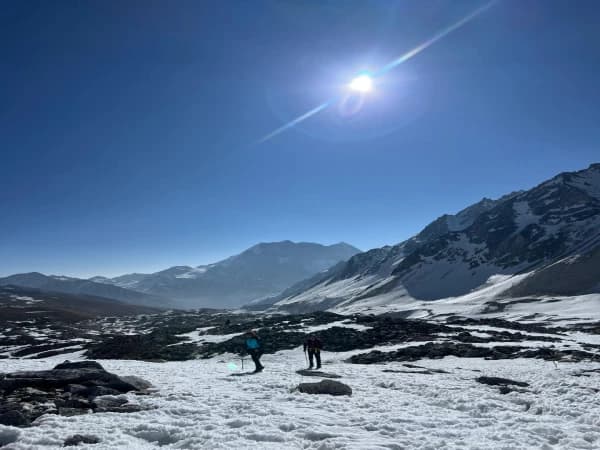
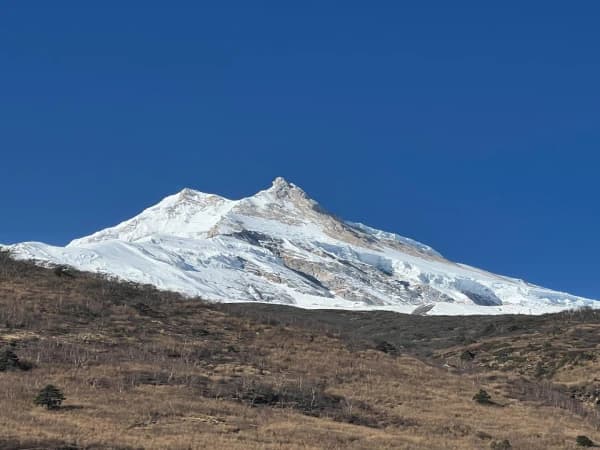
The Manaslu Circuit Trek is located in the Gorkha region of Nepal, deep inside a restricted mountain zone that surrounds Manaslu. This area remains far less developed, with scattered villages, strong Tibetan cultural influence, and a long travel distance from Kathmandu.
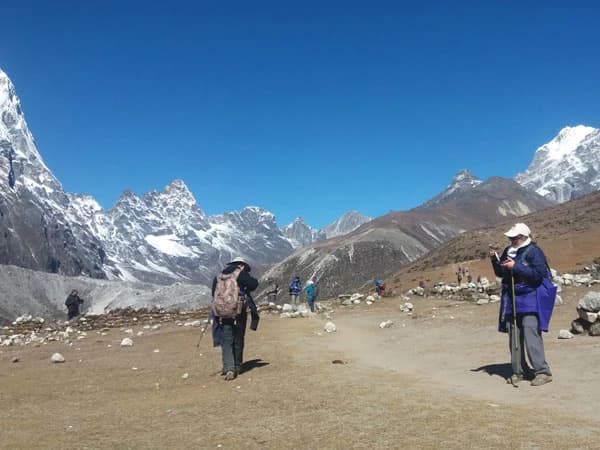
The Everest Base Camp Trek lies in eastern Nepal within the Khumbu valley system, which leads toward Mount Everest. The journey begins after a flight to Lukla Airport and moves through one of the most established trekking corridors in the Himalayas, inside the Khumbu Region.
One region feels remote and controlled, the other feels globally connected and highly structured. That single difference in geography sets the foundation for every contrast that follows in this comparison
Trek Route & Distance Comparison
Trek route structure defines how physical effort, altitude gain, and environmental change are distributed across the journey. Manaslu and Everest use two fundamentally different expedition models: a circular wilderness circuit versus a linear high-altitude corridor.
Manaslu forces a continuous geographic transition. Everest focuses on controlled altitude progression inside a single valley system.
Trek Route & Structural Comparison
|
Factor
|
Manaslu Circuit Trek
|
Everest Base Camp Trek
|
|
Route type
|
Circular trekking circuit
|
Linear out-and-back route
|
|
Trail direction
|
One-way loop
|
Up and return the same path
|
|
Geography system
|
Multi-valley transition
|
Single valley ascent
|
|
Core corridor
|
Manaslu region wilderness
|
Khumbu trekking corridor
|
|
Navigation logic
|
Constant ecosystem change
|
Structured altitude ladder
|
How trekking routes function differently in real progression
The Manaslu route inside Manaslu Conservation Area moves through multiple river valleys, forests, and alpine zones before reaching high-altitude terrain around Manaslu. The defining structure is progression without repetition, which creates continuous environmental variation.
The Everest route inside the Khumbu Region follows a single upward corridor toward Mount Everest. The return follows the same path. This structure improves predictability and allows controlled acclimatization through staged settlements.
Distance and effort distribution
|
Factor
|
Manaslu Circuit Trek
|
Everest Base Camp Trek
|
|
Daily trekking intensity
|
Long, remote segments
|
Moderate, structured stages
|
|
Recovery availability
|
Limited
|
Frequent lodge stops
|
|
Exit flexibility
|
Low (remote terrain)
|
Higher (established route)
|
|
Physical load pattern
|
Continuous endurance stress
|
Interval-based altitude stress
|
What this means for trekking performance
Route design directly determines how fatigue accumulates and how the body adapts.
Manaslu increases endurance demand through isolation and long trekking stretches. Everest reduces terrain stress but increases altitude-focused load as elevation rises toward base camp.
Altitude & Acclimatization
Altitude adaptation determines physiological safety in high Himalayan environments. The difference between Manaslu and Everest is not peak height alone, but how quickly altitude increases and how effectively the body is allowed to adapt.
Manaslu forces faster ascent cycles. Everest builds structured acclimatization breaks into the route design.
Altitude & Acclimatization Comparison
|
Factor
|
Manaslu Circuit Trek
|
Everest Base Camp Trek
|
|
Maximum elevation
|
5,160m (Larkya La Pass)
|
5,545m (Kala Patthar)
|
|
Ascent speed
|
Fast progression
|
Gradual staged ascent
|
|
Acclimatization system
|
Limited structured stops
|
Strong checkpoint system
|
|
Key acclimatization hubs
|
Samagaon area
|
Namche Bazaar, Dingboche
|
|
Physiological stress type
|
Continuous altitude gain
|
High altitude exposure cycles
|
How altitude affects each trekking system
The Manaslu route inside the Manaslu Conservation Area increases elevation rapidly as trekkers move toward Manaslu. Fewer large settlements reduce opportunities for extended physiological adaptation, which increases cumulative altitude stress.
The Everest route inside the Khumbu Region uses structured acclimatization villages such as Namche Bazaar and Dingboche to prepare trekkers for higher elevation zones leading toward Mount Everest. This staged system reduces sudden oxygen shock.
What this means for altitude safety
Altitude risk depends on progression control, not only the elevation peak.
Manaslu requires strict pacing discipline. Everest requires strict adherence to acclimatization schedules.
Difficulty Comparison: Manaslu vs Everest Base Camp
Difficulty is not a single metric. It divides into terrain resistance, endurance demand, and system support. Manaslu and Everest rank differently across each category.
Manaslu increases mechanical difficulty through isolation and terrain. Everest increases physiological difficulty through altitude exposure and crowd density.
Difficulty Comparison Breakdown
|
Difficulty Type
|
Manaslu Circuit Trek
|
Everest Base Camp Trek
|
|
Terrain difficulty
|
High (remote, unstable paths)
|
Moderate (well-established trails)
|
|
Endurance demand
|
Very high (long trekking days)
|
High (steady but structured pace)
|
|
Altitude stress
|
Rapid gain pressure
|
Prolonged high-altitude exposure
|
|
Infrastructure support
|
Low
|
High
|
|
Crowd influence
|
Low
|
High (peak congestion zones)
|
How does difficulty actually manifest on the trail
The Manaslu route inside the Manaslu Conservation Area creates difficulty through isolation, longer walking segments, and limited external support near Manaslu. Each trekking day increases physical fatigue accumulation.
The Everest route inside the Khumbu Region reduces terrain difficulty through developed paths but increases altitude and congestion stress while approaching Mount Everest.
Final difficulty logic
Manaslu increases the workload per day. Everest increases stress per elevation level.
Cost Comparison (2026 Trekking Budget)
Trekking cost differences between these routes depend on permits, transport systems, guide rules, and accommodation pricing layers. Most competitor content fails here by giving only vague estimates without breaking down where money actually goes.
Manaslu follows a regulated trekking economy with fixed entry requirements. Everest follows a demand-driven tourism economy where pricing changes based on season, flights, and crowd volume.
Cost Structure Comparison (2026 Estimated Range)
|
Cost Factor
|
Manaslu Circuit Trek
|
Everest Base Camp Trek
|
|
Total trek cost
|
$900 -$1,400
|
$1,200 -$2,000
|
|
Daily cost average
|
$60 -$90
|
$70 -$120
|
|
Permit cost
|
$100 -$150
|
$50 -$80
|
|
Guide cost (per day)
|
$25 -$35 (mandatory)
|
$30 -$40 (optional/recommended)
|
|
Porter cost (optional)
|
$20 -$30
|
$20 -$35
|
|
Transport cost
|
$40 -$80 (road access)
|
$180 -$220 (Lukla flight one way)
|
|
Accommodation + food/day
|
$25 -$40
|
$30 -$60
|
What these numbers actually reveal
Manaslu remains cheaper at the upper operational level but requires a higher fixed entry cost structure due to restricted area rules. Everest appears more expensive overall because of aviation dependency and seasonal pricing pressure in the Khumbu region.
The key financial pattern is clear:
-
Manaslu = lower variability, controlled pricing system
-
Everest = higher variability, demand-sensitive pricing system
This means budgeting accuracy is higher for Manaslu, while Everest requires flexible financial planning, especially during peak trekking seasons in spring and autumn.
Permits & Regulations
Permit systems define one of the most important structural differences between these two trekking routes. The rules are not just administrative requirements; they directly affect accessibility, group formation, cost structure, and trekking flexibility.
Manaslu operates under a controlled access framework because it lies inside a restricted Himalayan zone. Everest operates under a national park framework designed for open tourism flow with regulated conservation rules.
Permit Requirements Comparison
|
Permit Type
|
Manaslu Circuit Trek
|
Everest Base Camp Trek
|
|
Main entry permit
|
Restricted Area Permit
|
Sagarmatha National Park Permit
|
|
Additional permit
|
Conservation Area Permit
|
Khumbu Rural Municipality Permit
|
|
Guide requirement
|
Mandatory licensed guide
|
Optional (strongly recommended)
|
|
Group rule
|
Minimum 2 trekkers required
|
No minimum group requirement
|
|
Access control
|
Restricted entry checkpoints
|
Open trekking access
|
How permit systems change your trekking experience
Manaslu’s restricted system creates a structured entry process before the trek begins. Trekkers must be part of an organized arrangement with a licensed guide, and entry is controlled through official checkpoints along the route inside the Manaslu Conservation Area.
Everest operates inside a more open system governed by Sagarmatha National Park, where permits are easier to obtain, and independent trekking is still technically possible, although most trekkers choose guided support due to altitude and navigation demands.
The practical impact is clear:
This difference also shapes who typically chooses each route, with Manaslu attracting structured guided expeditions and Everest attracting both independent and guided trekkers.
Accommodation & Food Experience
Accommodation and food define the daily comfort level of both treks. The difference here is not only quality, but also availability, variety, and infrastructure depth along the trail.
Manaslu operates in a low-infrastructure mountain environment where tea houses are basic, and supply chains are limited. Everest operates in a high-traffic trekking economy where lodges are more developed, and menus are significantly more diverse due to constant demand.
Accommodation & Food Comparison
|
Factor
|
Manaslu Circuit Trek
|
Everest Base Camp Trek
|
|
Lodge standard
|
Basic tea houses
|
Well-developed mountain lodges
|
|
Room type
|
Simple twin-sharing
|
Private or semi-private options in lower regions
|
|
Bathroom facilities
|
Mostly shared
|
A mix of shared and attached in the lower villages
|
|
Food variety
|
Limited local meals
|
Wide international menu options
|
|
Electricity access
|
Limited and unstable
|
More stable in major villages
|
|
Charging & WiFi
|
Sparse availability
|
Available in most major stops (paid)
|
How comfort levels change along the trail
Inside the Manaslu route in Manaslu Conservation Area, accommodation remains simple because villages are small and supply logistics depend on long-distance transport. Meals focus on basic local dishes such as dal bhat, noodles, and seasonal vegetables. Comfort decreases as altitude increases due to limited infrastructure.
Inside the Everest corridor of the Khumbu Region, lodge development is more advanced because of continuous trekking traffic toward Mount Everest. This creates competitive lodge services, broader menus including pasta, bakery items, and continental meals, and more consistent electricity availability in major settlements.
What this means for trekkers in real experience terms
Manaslu delivers a more authentic mountain lifestyle with minimal comfort and stronger cultural immersion through daily village interaction. Everest delivers higher physical comfort, better food variety, and more predictable service quality.
The practical difference is:
This difference becomes more noticeable after day 3-4 of trekking, when infrastructure density directly affects fatigue recovery and overall trekking satisfaction.
Crowds & Trekking Atmosphere
Crowd density is one of the most decisive emotional factors in this comparison. It directly changes trail experience, psychological fatigue, interaction level, and overall sense of wilderness.
Manaslu and Everest sit at opposite ends of the trekking spectrum: one is designed for controlled, low-traffic access, and the other operates as a global trekking highway during peak seasons.
Crowds & Atmosphere Comparison
|
Factor
|
Manaslu Circuit Trek
|
Everest Base Camp Trek
|
|
Crowd level
|
Low to moderate
|
Very high in peak seasons
|
|
Trail traffic
|
Sparse daily encounters
|
Continuous trekking flow
|
|
Accommodation crowding
|
Rare
|
Common in popular villages
|
|
Social interaction
|
Limited, selective groups
|
High international mix
|
|
Noise level
|
Quiet wilderness environment
|
Busy trekking corridor
|
How crowd levels change the trekking experience
The Manaslu route inside the Manaslu Conservation Area maintains low foot traffic because of restricted access rules and permit control. This creates long sections of trail where trekkers move through silence, forested valleys, and isolated settlements with minimal human presence.
In contrast, the Everest route inside the Khumbu Region experiences a continuous flow of trekkers moving toward Mount Everest during peak seasons. Villages like Namche Bazaar become dense interaction hubs where trekkers from around the world converge.
What this means in real trekking psychology
Crowd levels change the emotional rhythm of the trek more than most physical factors.
Manaslu enhances silence, reflection, and immersion in natural landscapes. Everest increases motivation through group energy, shared milestones, and collective trekking culture.
The key difference is not just how many people you see, but how the presence of others shapes your mental experience of the Himalayas.
Cultural Experience Comparison
Cultural exposure defines the deeper identity of both treks. The difference is not only about traditions, but about how strongly modern tourism has reshaped local life along each route.
Manaslu preserves older Himalayan village systems with limited external influence. Everest operates inside a global trekking economy where local culture and tourism infrastructure are closely integrated.
Cultural Experience Comparison
|
Factor
|
Manaslu Circuit Trek
|
Everest Base Camp Trek
|
|
Cultural influence
|
Strong Tibetan Buddhist culture
|
Strong Sherpa mountaineering culture
|
|
Village lifestyle
|
Traditional and agriculture-based
|
Tourism and expedition-based
|
|
Commercialization level
|
Low
|
High in major stops
|
|
Local interaction style
|
Deep but less frequent
|
Frequent and service-oriented
|
|
Cultural authenticity
|
Highly preserved
|
Mixed traditional + tourism influence
|
How culture changes along the trekking routes
The Manaslu route inside Manaslu Conservation Area passes through villages where daily life still follows traditional Himalayan patterns. Communities remain strongly influenced by Tibetan Buddhism, with monasteries, prayer flags, and seasonal farming shaping local identity.
The Everest route inside the Khumbu Region is shaped by the global mountaineering industry. Villages along the trail toward Mount Everest function as both cultural settlements and expedition service hubs, where trekking, guiding, and hospitality form the main economy.
Sherpa people play a central role in Everest culture, shaping mountaineering history through generations of high-altitude climbing and expedition logistics support.
What does this mean for the trekking experience
Cultural depth changes depending on how interaction happens during the trek.
-
Manaslu delivers slow, immersive cultural exposure through isolated villages
-
Everest delivers frequent but tourism-influenced cultural interaction
Manaslu feels like stepping into a preserved Himalayan lifestyle system. Everest feels like entering a living global trekking ecosystem where tradition and tourism operate together.
Scenery & Landscape Comparison
Landscape structure defines the visual identity of each trek. Both routes sit inside the Himalayas, but they differ in terrain diversity, glacier exposure, and overall visual intensity across the journey.
Manaslu delivers a continuous ecological transition from low river valleys to high alpine wilderness. Everest delivers concentrated high-altitude mountain scenery dominated by glacier systems and iconic summit views.
Scenery & Landscape Comparison
|
Factor
|
Manaslu Circuit Trek
|
Everest Base Camp Trek
|
|
Terrain type
|
Deep valleys, forests, and alpine zones
|
Glacier valleys, high-altitude moraine
|
|
Mountain visibility
|
Wide range of peaks, less iconic framing
|
Direct Everest massif visibility
|
|
Landscape variation
|
High (multiple ecosystems)
|
Moderate (high-altitude focused)
|
|
Glacier presence
|
Limited but present in high sections
|
Strong glacier dominance (Khumbu Glacier)
|
|
Visual identity
|
Raw and untamed wilderness
|
Iconic Himalayan panorama
|
How landscapes evolve along both trekking routes
The Manaslu route inside the Manaslu Conservation Area transitions through multiple ecological layers. Trekkers move from subtropical forests to alpine terrain, with increasing exposure to snow-covered ridges near Manaslu. The landscape feels continuously changing rather than fixed.
The Everest route inside the Khumbu Region is dominated by high-altitude glacier geography leading toward Mount Everest. The terrain remains consistently alpine, with dramatic ice formations, moraine valleys, and steep mountain walls defining most of the trail experience.
What this means for visual experience
Landscape perception depends on how the variety and intensity are distributed across the trek.
-
Manaslu delivers ecosystem diversity and a gradual visual transformation
-
Everest delivers high-impact, iconic mountain scenery with constant altitude dominance
Manaslu feels like traveling through multiple natural worlds in one continuous circuit. Everest feels like staying inside one extreme high-altitude environment with increasingly dramatic mountain focus as altitude increases.
Safety & Risk Factors
Safety on Himalayan treks depends on three core systems: terrain stability, altitude exposure, and evacuation access. The difference between these two routes is not only risk level, but also how those risks behave and how quickly they can be managed.
Manaslu carries a higher logistical risk due to remoteness and limited rescue infrastructure. Everest carries a higher physiological risk due to extreme altitude exposure combined with heavy trekking traffic in peak seasons.
Safety & Risk Comparison
|
Factor
|
Manaslu Circuit Trek
|
Everest Base Camp Trek
|
|
Altitude sickness risk
|
Moderate to high (rapid gain sections)
|
High (long exposure above 4,000m)
|
|
Rescue access
|
Slow, remote evacuation zones
|
Faster helicopter access routes
|
|
Trail conditions
|
Landslide-prone, less engineered
|
Well-established but crowded paths
|
|
Communication access
|
Limited in remote sections
|
Better coverage in major villages
|
|
Crowd-related risk
|
Low
|
Higher congestion-related incidents
|
How risk behaves differently on each route
The Manaslu route inside the Manaslu Conservation Area has limited infrastructure and fewer medical response points. Once trekkers move into higher sections near Manaslu, evacuation depends heavily on weather conditions and long-distance coordination. This increases response time in emergencies.
The Everest route inside the Khumbu Region has more established emergency systems due to frequent trekking activity toward Mount Everest. Helicopter evacuation is more accessible, but high traffic levels increase the probability of altitude-related incidents in bottleneck areas.
What this means in real trekking conditions
Risk is not only about the danger level. It is about response speed and predictability.
The real safety difference comes down to this balance: isolation versus infrastructure. Manaslu depends on preparation and self-reliance. Everest depends on acclimatization control and crowd management awareness.
Acclimatization & Trek Safety Strategy
The acclimatization strategy determines how the body adapts to reduced oxygen at high altitude. The difference between these two treks lies in progression speed and support structure rather than maximum elevation alone.
Manaslu requires faster physiological adaptation due to fewer structured rest points. Everest uses a staged altitude system that improves oxygen adaptation through planned stopovers.
Acclimatization Strategy Comparison
|
Factor
|
Manaslu Circuit Trek
|
Everest Base Camp Trek
|
|
Ascent speed
|
Faster elevation gain
|
Gradual elevation gain
|
|
Rest stop structure
|
Limited acclimatization villages
|
Multiple acclimatization hubs
|
|
Key acclimatization point
|
Samagaon / Lho area
|
Namche Bazaar / Dingboche
|
|
Altitude progression control
|
Low control
|
High control system
|
|
Risk management approach
|
Experience-based adaptation
|
Structured acclimatization model
|
How acclimatization actually works on both routes
The Manaslu route inside the Manaslu Conservation Area pushes trekkers upward through long trekking days with fewer large settlements. Once the trail approaches higher zones near Manaslu, adaptation depends heavily on pacing, hydration, and physical awareness rather than external support systems.
The Everest route inside the Khumbu Region follows a more controlled altitude progression toward Mount Everest. Stops like Namche Bazaar and Dingboche are intentionally positioned to stabilize oxygen adaptation before pushing into higher elevations like Everest Base Camp and Kala Patthar.
What this means for trekking safety
Acclimatization strategy directly affects fatigue level, risk probability, and overall trekking success rate.
Manaslu rewards trekkers who maintain a steady pace and discipline. Everest rewards trekkers who follow acclimatization schedules strictly and respect altitude progression limits.
Accessibility & Transportation
Accessibility defines how easily each trek begins and how predictable the journey to the trailhead feels. The difference here is not distance alone, but transport reliability, weather dependency, and route complexity.
Manaslu requires long overland travel into remote western Nepal before the trek even begins. Everest relies on short but highly weather-dependent flights into the Khumbu region.
Accessibility & Transportation Comparison
|
Factor
|
Manaslu Circuit Trek
|
Everest Base Camp Trek
|
|
Starting point access
|
A long road journey from Kathmandu
|
Flight to Lukla
|
|
Transport type
|
Overland jeep/bus travel
|
Short mountain flight
|
|
Travel time to the trailhead
|
8-10 hours (approx.)
|
30-40 minutes flight
|
|
Weather dependency
|
Low
|
High (frequent delays)
|
|
Reliability
|
More stable but longer
|
Faster but less predictable
|
How access changes the trekking experience
The Manaslu route begins after a long drive from Kathmandu into the Gorkha region, gradually entering the landscape around Manaslu Conservation Area. This road-based access adds time but creates a more stable start with fewer weather disruptions.
The Everest route begins with a flight into Lukla Airport, one of the most weather-sensitive airports in the world. From there, trekkers enter the Khumbu valley system inside the Khumbu Region, moving toward Mount Everest.
What this means in real travel planning
Accessibility impacts scheduling risk and travel predictability.
Manaslu reduces uncertainty once travel begins, while Everest introduces uncertainty at the entry point due to flight delays, cancellations, and seasonal weather variation.
Popularity & Trekking Demand
Popularity directly shapes trail conditions, booking difficulty, and overall trekking atmosphere. It also determines how early planning must begin and how crowded key villages become during peak seasons.
Manaslu remains a controlled-demand trekking route due to restricted access regulations. Everest operates as a global high-demand trekking corridor with consistent international flow throughout peak seasons.
Popularity & Demand Comparison
|
Factor
|
Manaslu Circuit Trek
|
Everest Base Camp Trek
|
|
Global popularity
|
Growing alternative trek
|
World’s most famous trek
|
|
Seasonal demand
|
Moderate and controlled
|
Extremely high in peak seasons
|
|
Booking pressure
|
Low to medium
|
High (lodges and flights)
|
|
Trail traffic consistency
|
Stable, low volume
|
Heavy in spring and autumn
|
|
International mix
|
Limited groups
|
Global trekking population
|
How demand changes the trekking environment
The Manaslu route inside the Manaslu Conservation Area maintains controlled trekking numbers due to permit restrictions and guide requirements. This limits overcrowding and keeps the route consistent even during peak trekking months.
The Everest route inside the Khumbu Region experiences a high seasonal influx toward Mount Everest, especially during spring and autumn. Villages like Namche Bazaar become high-density trekking hubs where accommodation availability tightens quickly.
What this means for planning and experience
Popularity affects both logistics and emotional experience on the trail.
Manaslu suits trekkers who prefer controlled environments without competition for space. Everest suits trekkers who accept crowd density in exchange for iconic global trekking recognition.
Decision Guide: Which Trek Should You Choose?
The final decision between these two treks depends on how you balance three factors: physical demand, comfort level, and the type of Himalayan experience you want in 2026. Both routes reach extreme altitude inside the Himalayas, but they deliver completely different trekking identities.
This is not about which trek is better. It is about which trek matches your capability and expectations.
Choose Manaslu Circuit Trek if:
-
You want a remote Himalayan experience with minimal tourist traffic
-
You prefer long trekking days in isolated mountain valleys
-
You want stronger cultural immersion in traditional Himalayan villages
-
You are comfortable with limited infrastructure and basic lodges
-
You want a structured but less commercial trekking route
Manaslu inside Manaslu Conservation Area delivers a controlled-access wilderness environment where trekking feels more like a true expedition than a commercial journey.
Choose the Everest Base Camp Trek if:
-
You want the most iconic Himalayan trekking route in the world
-
You prefer better infrastructure, lodges, and food variety
-
You want a clear and well-established trekking trail system
-
You prefer structured acclimatization support and predictable navigation
-
You are motivated by reaching Mount Everest as a global achievement
The Everest route inside the Khumbu Region offers a more supported trekking environment where logistics are easier to manage, especially for first-time high-altitude trekkers.
Final decision logic (simple breakdown)
-
Choose Manaslu if you value wilderness, silence, and challenge
-
Choose Everest if you value comfort, structure, and iconic achievement
Both treks demand high-altitude preparation, but they reward different mindsets: endurance-driven exploration versus milestone-driven trekking experience.
Recommended Trek Packages
Trek packages define the real execution layer of both journeys. The difference between Manaslu and Everest packages is driven by regulation intensity, logistics complexity, and accommodation structure.
Manaslu packages are highly controlled due to restricted area rules. Everest packages are flexible but influenced by flight logistics and seasonal demand.
Trek Package Comparison
|
Factor
|
Manaslu Circuit Trek Package
|
Everest Base Camp Trek Package
|
|
Duration
|
14-18 days
|
12-14 days
|
|
Permit system
|
Restricted Area Permit + MCAP
|
Sagarmatha National Park Permit + Khumbu permit
|
|
Guide requirement
|
Mandatory licensed guide
|
Recommended guide
|
|
Accommodation
|
Basic teahouses
|
Better lodges and teahouses
|
|
Transport
|
Road access to the trailhead
|
Flight to Lukla
|
|
Logistics complexity
|
High coordination required
|
Moderate coordination required
|
Manaslu Circuit Trek Package (14-18 Days Guided)
The Manaslu package inside the Manaslu Conservation Area operates under strictly regulated trekking rules. Every group requires a licensed guide, and trekking zones near Manaslu enforce controlled entry systems to manage environmental impact and safety.
Package includes:
-
Restricted Area Permit and MCAP permit management
-
Licensed trekking guide throughout the route
-
Teahouse accommodation across all villages
-
Full route logistics from Kathmandu departure
-
Emergency coordination support in remote zones
This package fits trekkers who prioritize wilderness access with full regulatory compliance and guided support.
Everest Base Camp Trek Package (12-14 Days Guided)
The Everest package inside the Khumbu Region focuses on structured trekking support toward Mount Everest. The main logistical factor is Lukla flight coordination, which directly affects schedule stability.
Package includes:
-
Kathmandu to Lukla flight arrangement
-
Accommodation and meal plan across the trekking route
-
Experienced Sherpa guide support
-
Acclimatization planning and safety monitoring
-
Emergency evacuation coordination options
This package fits trekkers who want high-support trekking with faster access and established infrastructure systems.
What this means for booking decisions
The package structure directly reflects trekking style.
-
Manaslu packages prioritize regulation, remoteness, and guided control
-
Everest packages prioritize accessibility, comfort, and structured logistics
Both systems are designed for safety, but they serve different trekking expectations: expedition-style travel versus organized high-altitude tourism.
Why Book With a Professional Trekking Company like Regal Nepal Treks?
Booking with a professional trekking company like Regal Nepal Treks is not a luxury in the Himalayas. It is a structural requirement driven by regulations, terrain risk, and emergency limitations. This becomes even more important in the Manaslu region, where restricted access laws directly control how trekking operates.
A licensed operator ensures legal compliance, safety coordination, and full logistics execution from Kathmandu to high-altitude zones above 5,000 meters.
Why choose a professional operator
|
Factor
|
Manaslu Circuit Trek
|
Everest Base Camp Trek
|
|
Legal compliance
|
A mandatory licensed guide is required
|
Recommended but optional
|
|
Permit processing
|
Restricted Area Permit system
|
Standard national park permits
|
|
Logistics coordination
|
High complexity remote routing
|
Moderate complexity established route
|
|
Emergency handling
|
Limited access, remote evacuation
|
Faster helicopter evacuation options
|
|
Route management
|
Controlled entry checkpoints
|
Open but regulated trail system
|
How Regal Nepal Treks operates on these routes
Regal Nepal Treks operates structured trekking logistics across the Nepal Himalayas, including both the Manaslu and the Everest regions. The company manages permit acquisition, guide allocation, transport coordination, and emergency preparedness for high-altitude expeditions.
On the Manaslu route inside Manaslu Conservation Area, Regal Nepal Treks coordinates restricted area entry permissions, licensed guide deployment, and full circuit logistics around Manaslu, where independent trekking is not legally permitted.
On the Everest route inside the Khumbu Region, the company manages flight scheduling to Lukla Airport, lodge booking systems, acclimatization pacing, and contingency planning toward Mount Everest.
What professional support changes in real trekking conditions
Professional support directly improves safety outcomes in high-altitude environments above 4,000 meters.
Both treks operate in environments where weather, altitude, and terrain instability change conditions rapidly. Professional operators reduce uncertainty and ensure structured decision-making during emergencies.
Why this matters for Manaslu booking decisions
The Manaslu Circuit Trek is not only a physical journey but also a regulated expedition inside a restricted Himalayan zone. Choosing a licensed operator like Regal Nepal Treks ensures compliance with government regulations, proper guide support, and safer progression through remote valleys and high passes.
Final Verdict: Which Trek Should You Book in 2026?
The final decision between Manaslu and Everest is determined by one clear factor: the type of Himalayan experience you want to complete in 2026. Both treks reach extreme altitude above 5,000 meters, but they produce completely different outcomes in terms of challenge, comfort, and emotional reward.
Manaslu delivers isolation and raw expedition energy. Everest delivers global recognition and structured high-altitude trekking.
Final comparison verdict
|
Factor
|
Manaslu Circuit Trek
|
Everest Base Camp Trek
|
|
Experience type
|
Remote wilderness expedition
|
Iconic global trekking route
|
|
Crowd level
|
Low-density trekking
|
High-density trekking
|
|
Infrastructure
|
Basic and limited
|
Well-developed network
|
|
Challenge type
|
Physical + logistical difficulty
|
Altitude + crowd exposure
|
|
Emotional outcome
|
Silence, isolation, endurance
|
Achievement, recognition, milestone
|
What each trek actually rewards you with
The Manaslu route inside Manaslu Conservation Area rewards trekkers with uninterrupted wilderness progression, cultural depth, and physical endurance testing in remote Himalayan terrain around Manaslu.
The Everest route inside the Khumbu Region rewards trekkers with a globally recognized achievement at Mount Everest, supported by established trekking infrastructure and structured acclimatization systems.
Simple decision logic
-
Choose Manaslu Circuit Trek if you want remoteness, challenge, and authentic Himalayan isolation
-
Choose the Everest Base Camp Trek if you want iconic status, better facilities, and structured trekking support
Final takeaway
Both treks are high-altitude Himalayan expeditions, not casual hikes. The correct choice depends on whether you value wilderness immersion or global recognition more in your 2026 trekking experience.
Booking through a professional operator like Regal Nepal Treks & Expedition ensures both routes are completed with proper permits, safety coordination, and full logistical support.
FAQs About Manaslu Circuit Trek vs Everest Base Camp
Which is harder, Manaslu or Everest Base Camp?
Manaslu Circuit Trek is harder than the Everest Base Camp in overall trekking execution. It combines longer daily walking hours, more remote terrain, and stricter logistics. Everest Base Camp increases difficulty through sustained high altitude exposure above 5,000 meters and heavier crowd traffic in peak seasons.
Is the Manaslu Circuit worth it compared to the Everest Base Camp?
Manaslu Circuit Trek is worth it for trekkers who want remote Himalayan wilderness and low crowd density. It delivers stronger isolation, Tibetan-influenced culture, and raw trekking conditions compared to Everest Base Camp, which focuses on iconic mountain achievement and structured infrastructure.
Which trek is less crowded, Manaslu or Everest?
Manaslu Circuit Trek is significantly less crowded than the Everest Base Camp. Restricted permits inside the Manaslu Conservation Area control visitor numbers, while the Everest route inside the Khumbu Region attracts thousands of trekkers each season toward Mount Everest.
Do I need a guide for the Manaslu Circuit Trek?
Yes, a licensed guide is mandatory for the Manaslu Circuit Trek. The restricted area system inside Manaslu requires regulated group trekking with authorized guides for safety, permit validation, and route compliance.
Which trek has better views, Everest or Manaslu?
Everest Base Camp provides more iconic mountain views, while Manaslu offers wider landscape diversity. Everest focuses on close-range Himalayan giants, while Manaslu delivers changing scenery from forests to glaciers across multiple ecological zones.