What Is the Manaslu Circuit Trek?
The Manaslu Circuit Trek is a remote high-altitude trekking route in Nepal that circles Mount Manaslu and crosses the Larkya La Pass at 5,106 meters. Compared to Everest and Annapurna, it is quieter, more rugged, and physically more demanding because of its remoteness and limited infrastructure.
Where Is the Manaslu Trek Located?
The Manaslu Circuit Trek sits in the Gorkha region of Nepal, looping around Mount Manaslu near the Tibetan border. It falls inside a restricted trekking area that limits daily permits, keeping crowds low and the trail genuinely off the beaten path compared to Everest and Annapurna routes.
How Long Is the Manaslu Trek?
The standard circuit takes 12 to 16 days, with daily trekking hours between 5 and 8. Total walking distance covers roughly 177 kilometers. A longer itinerary almost always improves the experience by giving the body more time to acclimatize and reducing the daily pressure of each stage.
Why the Manaslu Trek Feels More Remote Than Other Nepal Treks
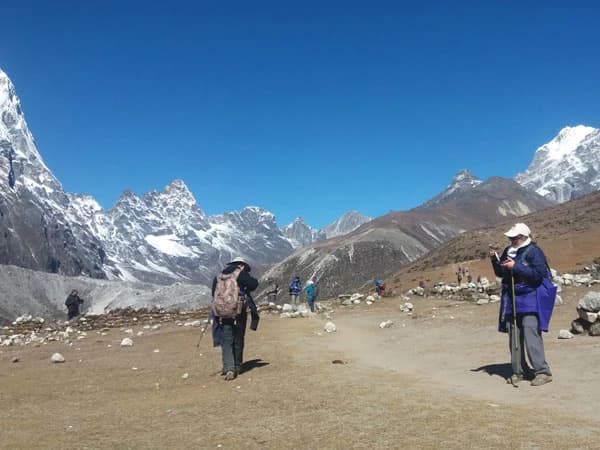
Fewer villages, limited infrastructure, and no road shortcuts make this circuit feel significantly more remote than Annapurna or Everest routes. Tea houses exist throughout, but electricity, WiFi, and warm showers disappear as altitude increases. That remoteness is part of the appeal, but it also increases the weight of difficulty when conditions on the trail get tough.
How Hard Is the Manaslu Trek Overall?
The Manaslu Trek is considered moderately difficult to challenging because it combines altitude, long trekking days, steep terrain, and remote mountain conditions over nearly two weeks of continuous walking. The difficulty comes from endurance and acclimatization rather than technical climbing.
Is the Manaslu Trek Considered Difficult?
Yes, genuinely. The Manaslu Trek sits above moderate Nepal trekking routes and well below full mountaineering expeditions. The challenge is endurance-based, built from sustained physical effort over many consecutive high-altitude days rather than technical climbing or scrambling terrain.
What Makes Manaslu Harder Than Many Nepal Treks?
Higher elevation, longer trekking duration, remote trail conditions, and fewer comfort facilities all contribute. Manaslu pushes above 5,000 meters at Larkya La Pass, while popular alternatives like Poon Hill or Langtang top out well below 4,000 meters. There are also very few meaningful rest days once the main circuit begins.
Who Is the Manaslu Trek Most Suitable For?
Experienced trekkers comfortable with multi-day mountain walking will feel most at home here. Fit beginners who train seriously and choose a realistic itinerary can also succeed. Trekkers who want remote Himalayan terrain away from crowds consistently find Manaslu more rewarding than busier alternatives.
The Manaslu Trek is more challenging than many popular Nepal treks because it combines high altitude, long trekking days, remote terrain, and limited infrastructure over nearly two weeks of continuous mountain walking.
What Factors Make the Manaslu Trek Difficult?
The main factors that make the Manaslu Trek difficult are high altitude, long uphill trekking days, cold weather, remote terrain, limited facilities, and the demanding Larkya La Pass crossing. Physical fatigue builds gradually throughout the circuit as oxygen levels decrease.
High Altitude and Thinner Oxygen Levels
Above 3,500 meters, oxygen reduction forces the body to work harder for the same output. This adds invisible fatigue that compounds across days, even in trekkers with good cardiovascular fitness. Breathing becomes noticeably harder during uphill sections beyond Samdo and Dharamsala.
Long Trekking Days and Steep Ascents
Several stages on the Manaslu Circuit involve 6 to 8 hours across steep terrain with stone staircases and long uphill sections. The Larkya La crossing day stretches to 10 hours and arrives after the body has already absorbed a full week of consecutive effort.
Remote Mountain Terrain and Limited Infrastructure
Suspension bridges, narrow cliff paths, and rocky ridgelines require consistent attention throughout each stage. There are no shortcut roads and no way to quickly exit the route if conditions deteriorate. Help is far away in a genuine mountain emergency.
Crossing Larkya La Pass at High Elevation
Larkya La at 5,106 meters combines cold temperatures, wind exposure, thin air, and a long ascent and descent into a single defining day that most trekkers identify as the hardest on the entire circuit.
Consecutive Trekking Days and Fatigue Buildup
The Manaslu Circuit offers few true rest days once the itinerary is underway. Physical fatigue from uphill trekking builds steadily, and by the time trekkers reach the highest sections, legs and lungs are already carrying days of accumulated effort.
How Difficult Is the Altitude on the Manaslu Trek?
Altitude is one of the hardest parts of the Manaslu Trek because oxygen levels drop significantly above 3,500 meters, making breathing, recovery, and uphill walking much harder. Proper acclimatization and slow pacing are essential for safe trekking.
At What Altitude Does the Trek Become Challenging?
Most trekkers notice altitude effects above 3,500 meters. The Samdo and Dharamsala sections are where altitude-related fatigue becomes a consistent daily factor. Headaches, slower pace, and disrupted sleep are common at this stage of the route.
Maximum Altitude Reached During the Trek
The highest point is Larkya La Pass at 5,106 meters. The approach involves crossing a sustained high-altitude zone rather than a single summit push, meaning the body is exposed to reduced oxygen levels for longer than a simple ascent and descent format.
How Altitude Affects Trekkers Physically
Oxygen reduction slows physical recovery between uphill efforts, creates breathing difficulty on steep sections, and suppresses appetite when caloric demand is at its highest. Even trekkers who feel strong in the lower sections notice a clear difference as they climb toward Larkya La.
Common Altitude Sickness Symptoms on Manaslu
Headache is the most common early symptom on the Manaslu Circuit. It is followed by persistent fatigue that does not respond to rest, appetite loss, nausea, and disrupted sleep. Serious AMS symptoms, including confusion and coordination loss, require immediate descent and cannot be waited out.
Why Acclimatization Days Are Critical
Building acclimatization days into the itinerary, particularly around Samagaun, allows the body to adjust before the final push toward Larkya La. Skipping these days to shorten the circuit is one of the most common and serious mistakes trekkers make on this route.
How Difficult Is Crossing Larkya La Pass?
Larkya La Pass is the most difficult section of the Manaslu Trek because trekkers must cross a high mountain pass at 5,106 meters in cold, windy conditions after multiple days of accumulated fatigue. The challenge is physical endurance and altitude rather than technical climbing.
Elevation and Weather Conditions at the Pass
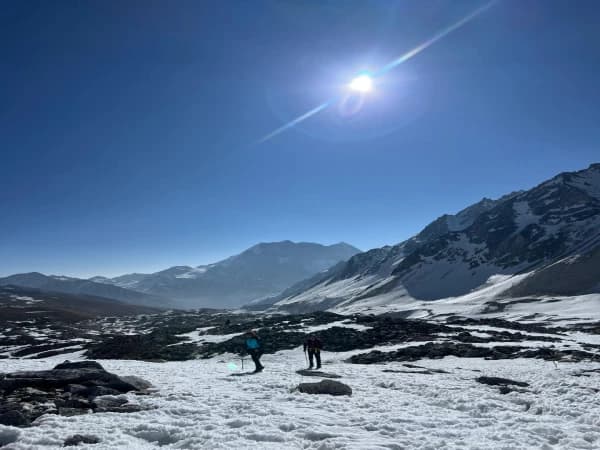
Larkya La sits at 5,106 meters and is exposed to wind, cold, and fast-changing mountain weather. Even during the peak autumn season, temperatures at the pass drop well below freezing, and strong wind gusts make the crossing feel harder than the altitude number alone suggests.
Length of the Larkya La Crossing Day
The crossing typically runs 8 to 10 hours from Dharamsala to Bimthang. Starting before 4:00 AM is standard to avoid afternoon weather deterioration and to allow enough daylight for the long rocky descent on the far side of the pass.
Snow, Wind, and Trail Conditions Trekkers Should Expect
Snow on the pass is common even in autumn, and overnight snowfall can obscure trail markings. Wind exposure on the final approach increases cold stress and energy drain significantly. This is where experienced local guides from Regal Nepal Treks (https://regalnepaltreks.com/) make a practical difference in safety outcomes.
Why Pacing and Early Starts Matter at Larkya La
An early start protects against afternoon cloud and wind. Slow, steady pacing on the ascent preserves energy for the descent, which is longer and harder on the knees than most trekkers anticipate before experiencing it themselves.
Is Larkya La Technically Difficult?
No technical climbing skills are required. Larkya La Pass difficulty comes entirely from altitude endurance, weather exposure, and cumulative physical fatigue rather than from technical terrain or specialist equipment.
Larkya La Pass is the most difficult part of the Manaslu Trek because trekkers must cross a high-altitude mountain pass in cold, windy conditions after multiple consecutive days of trekking.
How Hard Is the Manaslu Trek Physically?
The Manaslu Trek is physically demanding because trekkers walk for long hours across steep mountain terrain for many consecutive days while managing altitude fatigue, cold temperatures, and limited recovery time between trekking stages.
Daily Ascents and Descents
Stone staircases, uneven rocky terrain, and sustained uphill sections define most stages on this route. Descents after river crossings are often just as hard on the legs as the climbs before them. The trail rarely follows a consistent gradient, so the body cannot settle into an easy rhythm.
Back-to-Back Trekking Days and Physical Fatigue
With few true rest days during the main circuit, physical fatigue from uphill trekking compounds steadily. Muscle soreness and reduced motivation are normal by days 8 to 10. Building even one extra day above the minimum itinerary makes a measurable difference at the Larkya La crossing.
Suspension Bridges and Rugged Mountain Trails
The Manaslu route crosses numerous suspension bridges over deep gorges and navigates rugged trails that demand consistent foot placement. These sections are safe but mentally and physically tiring, especially when exposed to wind or wet trail conditions.
Long Walking Hours With Limited Recovery Time
Six to eight-hour walking days leave limited daylight for recovery before the next morning begins. Eating well, sleeping as much as possible, and managing hydration actively throughout each stage matter more on this circuit than on most other Nepal treks. Why Mental Pacing Matters on Long Treks
How Mentally Difficult Is the Manaslu Trek?
The Manaslu Trek is mentally challenging because of its remote mountain environment, repetitive trekking routine, cold conditions, limited communication, and basic accommodation. Mental pacing and realistic expectations are just as important as physical fitness.
Remote Mountain Atmosphere and Isolation
Days pass without a mobile signal, and real medical care is far away. For trekkers used to connected environments, this isolation can feel uncomfortable, especially when managing early altitude sickness symptoms or navigating difficult weather on the trail.
Long Trekking Routines and Repetitive Trail Rhythm
After the first week, early starts, long walking hours, basic meals, and cold mountain rooms can wear on motivation. Trekkers who have not mentally prepared for extended mountain routines sometimes find it harder to push through than the physical Manaslu Trek difficulty itself.
Adapting to Basic Mountain Accommodation
Tea houses in higher villages offer shared facilities, cold nights, and limited comfort. Hot showers, consistent electricity, and privacy all become rare above certain elevations. Adjusting expectations before departure makes this significantly easier to handle at the end of a long day.
Limited Communication and Internet Connectivity
WiFi is available at some lower-altitude tea houses but disappears above Samagaun. Informing family and friends in advance that communication will be limited removes a source of stress and helps trekkers stay focused on the trail and their own recovery each day.
Can Beginners Do the Manaslu Trek?
Beginners can complete the Manaslu Trek successfully with proper training, realistic pacing, acclimatization days, and an experienced guide. Previous trekking experience helps, but preparation and endurance matter far more than technical skills.
When Beginners Can Successfully Complete Manaslu
Beginners who have trained consistently for 2 to 3 months, chosen a longer itinerary with proper acclimatization built in, and who trek with an experienced guide can complete the Manaslu Circuit. Honest preparation matters more than prior trekking credentials on this route.
What Type of Beginner Can Handle Manaslu?
Active travelers who hike or exercise regularly, have reasonable cardiovascular endurance, and approach the trek with patience are most likely to succeed. A willingness to walk slowly and follow guide recommendations about pacing makes a decisive difference on the harder sections.
Who May Struggle on the Manaslu Trek?
Trekkers who have been largely inactive before the trek, those who rush the itinerary, and anyone who dismisses altitude preparation are most at risk of struggling or turning back. The Manaslu Circuit does not forgive poor planning the way shorter Nepal treks sometimes do.
Why Previous Hiking Experience Helps
Prior hiking builds the specific leg muscles, joint resilience, and mental stamina that high-altitude trekking demands. Regular day hiking on hilly terrain transfers meaningfully to multi-day mountain trekking, more so than gym-based fitness training alone.
Is Previous Trekking Experience Necessary?
Helpful but not mandatory. The Manaslu Circuit requires endurance and preparation, not mountaineering skills. Beginners with the right approach and proper guide support can and do complete this trek successfully every season.
What Fitness Level Is Needed for the Manaslu Trek?
Trekkers need strong endurance, cardiovascular fitness, and the ability to walk uphill for multiple consecutive days to complete the Manaslu Trek comfortably. Consistent training for two to three months before the trek is strongly recommended.
How Fit Should You Be for Manaslu?
The Manaslu Trek fitness level required is genuine but not elite. A person who can walk 6 to 8 hours daily over hilly terrain for multiple consecutive days without complete exhaustion has the baseline fitness this circuit requires from day one.
Cardiovascular Endurance and Stamina Requirements
The ability to sustain moderate aerobic effort for long durations matters more than peak athletic output. Heart rate at altitude runs higher than at sea level for the same pace, so building a strong cardiovascular base before Nepal reduces the adjustment burden significantly.
Leg Strength and Uphill Trekking Preparation
Quads, calves, hamstrings, and hip flexors all take sustained stress during the long ascents and descents on this route. Training specifically for uphill and downhill movement, not just flat cardio, prepares the body for what the Manaslu Circuit actually demands on the trail.
Best Training Before the Trek
Stair climbing with a loaded backpack, regular hiking on hilly terrain, cycling, and sustained cardio sessions all build relevant fitness. Including back-to-back training days in your routine simulates the consecutive effort this trek demands across most of its stages.
How Long Should You Train Before Manaslu?
Two to three months of consistent training is what the team at Regal Nepal Treks (https://regalnepaltreks.com/) recommends for most trekkers. This gives enough time to build endurance, identify physical issues early, and arrive at the trailhead genuinely ready.
Why Endurance Matters More Than Gym Strength
A trekker who can walk steadily uphill for 6 hours will consistently outperform a stronger gym athlete who cannot sustain effort across a full trekking day. High-altitude trekking demands sustained output over long durations, not short, intense bursts.
Trekkers do not need elite athletic fitness for the Manaslu Trek, but they should have strong endurance, cardiovascular fitness, and the ability to handle consecutive days of uphill mountain walking.
What Are the Hardest Days on the Manaslu Trek?
The hardest days on the Manaslu Trek are the high-altitude stages around Samdo, Dharamsala, and especially the Larkya La Pass crossing day, where altitude, cold weather, and long walking hours combine into the most physically demanding part of the circuit.
Trekking Toward Samdo and Dharamsala
The stages pushing from Samagaun to Samdo and climbing toward Dharamsala represent the toughest sustained altitude section of the circuit. This is where acclimatization days earn their value most clearly, and where trekkers without proper rest days feel the altitude most sharply.
Larkya La Pass Crossing Day
The hardest single day on the circuit for nearly all trekkers. It combines the earliest start, the highest altitude, the most demanding ascent, and the longest total walking hours into one very long and memorable mountain crossing.
Long Descents After the Pass
The descent from Larkya La to Bimthang is long, rocky, and demanding on the knees. Many trekkers underestimate how hard the downhill section is after an already exhausting crossing. Trekking poles make a meaningful, practical difference on this specific stage.
What Trail and Accommodation Conditions Should Trekkers Expect?
Trekkers on the Manaslu Circuit should expect rugged mountain trails, suspension bridges, cold temperatures, and simple tea house accommodation with limited electricity, WiFi, and modern comforts, especially at higher elevations.
Narrow Trails, Suspension Bridges, and Rocky Terrain
The Manaslu trail crosses many suspension bridges and includes narrow cliff paths with significant drop-offs. Solid footwear, good balance, and consistent attention are necessary throughout. Trail sections are unmaintained and significantly more rugged than most popular Himalayan routes in Nepal.
Tea House Facilities in Remote Villages
Tea houses provide basic rooms, blankets, and simple Nepali and Tibetan food throughout the circuit. Quality varies considerably between villages, with lower-altitude stops offering more comfort and the highest villages offering very basic shared facilities.
Cold Temperatures and Basic Mountain Accommodation
Expect cold nights throughout the trek and genuinely cold nights above 3,500 meters. A sleeping bag rated for alpine temperatures is essential. Tea house blankets alone are rarely sufficient at the higher elevations on the Manaslu Circuit.
Limited WiFi, Charging, and Electricity
Most tea houses charge a fee for phone charging, and electricity is often solar-dependent. WiFi disappears above certain elevations. Arriving mentally prepared for extended disconnection makes the adjustment much easier to handle.
Emergency Services and Evacuation Realities in Remote Regions
Helicopter evacuation is possible from most sections of the circuit but is expensive and weather-dependent. Travel insurance covering high-altitude trekking and evacuation logistics is not optional on a route this remote. This is a practical reality, not a precaution to be dismissed.
What Are the Biggest Challenges Trekkers Face on the Manaslu Trek?
The biggest challenges on the Manaslu Trek are altitude fatigue, long consecutive trekking days, changing mountain weather, physical exhaustion, and maintaining energy and motivation throughout the remote high-altitude circuit.
Physical Fatigue During Long Trekking Days
Sustained uphill effort over consecutive days builds cumulative physical fatigue that determination alone cannot overcome. Managing it through pacing, nutrition, and hydration from day one is the only practical approach that works.
Cold Weather and Changing Mountain Conditions
The weather in the Nepal Himalayas shifts quickly at altitude. Cold fronts that bring snowfall, sudden temperature drops, and wind that makes a manageable pass dangerous can all arrive with little warning throughout the circuit.
Managing Altitude While Maintaining Energy
Reduced appetite at altitude makes fueling the body harder, exactly when caloric demand is highest. Eating consistently, even without hunger, is one of the most important practical habits to build and maintain across the upper sections of the Manaslu Trek.
How Weather Affects the Difficulty of the Manaslu Trek
Weather significantly affects Manaslu Trek difficulty because snow, rain, cold temperatures, and poor visibility can make trails slower, more dangerous, and physically exhausting, particularly around Larkya La Pass and other high-altitude sections.
Why Autumn Is the Easiest Trekking Season
September through November brings stable skies, settled trail conditions, and the best mountain visibility of the year. Autumn is the most reliable season because weather dependability at Larkya La Pass reduces risk and makes the full circuit significantly more manageable for most trekkers.
Why Spring Offers Stable Trekking Conditions
March through May provides a second solid trekking window with warming temperatures and good trail conditions. Spring is slightly busier than autumn but still far less crowded than the peak routes elsewhere in the Nepal Himalayas.
Why Winter Makes the Trek Much Harder
December through February brings extreme cold, snow-covered passes, and icy trail conditions throughout the upper circuit. Larkya La can become impassable after heavy snowfall, and sustained cold at altitude creates a genuine risk for trekkers who are not specifically equipped for winter Himalayan conditions.
Why Monsoon Trekking Is More Difficult
June through August brings landslide risk, muddy and slippery trails, and poor visibility throughout most of the route. Manaslu Trek difficulty increases substantially in the monsoon, and certain trail sections become genuinely hazardous rather than merely challenging.
How Can Trekkers Make the Manaslu Trek Easier and Safer?
Trekkers can make the Manaslu Trek safer and more manageable by training properly, acclimatizing slowly, choosing a longer itinerary, trekking during stable weather seasons, and hiring experienced local guides and porters.
Trek Slowly and Prioritize Acclimatization
Slow upward progression is the single most effective tool for managing altitude on this circuit. Adding acclimatization days around Samagaun, following the climb high sleep low principle where possible, and taking scheduled rest days seriously all reduce altitude sickness risk meaningfully.
Train Before Arriving in Nepal
Arriving fit means the body starts the trek with energy reserves rather than immediately drawing them down. Two to three months of endurance training targeted at sustained uphill movement makes the first week noticeably more manageable.
Pack Properly for Changing Weather Conditions
Layered clothing, a quality sleeping bag rated for alpine temperatures, waterproof outer layers, and trekking poles are practical necessities on this route. Good packing reduces the energy cost of dealing with weather changes across the circuit.
Hire Experienced Guides and Porters
A knowledgeable local guide manages pace, recognizes altitude sickness symptoms early, and handles logistics so trekkers can focus on the trail. Porters reduce physical load, which directly reduces fatigue accumulation across the full circuit.
Choose a Longer Itinerary Instead of Rushing
Fourteen to sixteen days is a better choice than the minimum twelve for most trekkers. Extra days provide an acclimatization buffer, reduce daily urgency, and allow for weather delays without forcing dangerous decisions on the harder sections.
Why Hydration and Nutrition Matter During Trekking
Staying well hydrated supports oxygen transport and reduces headache risk at altitude. Eating consistently, even when appetite is suppressed, maintains the energy reserves the body needs for long trekking days. Both habits require active effort rather than relying on natural signals.
Proper preparation, slower pacing, acclimatization, and trekking during the right season can make the Manaslu Trek significantly safer and more manageable for most trekkers.
Is the Manaslu Trek Harder Than Everest Base Camp or Annapurna Circuit?
The Manaslu Trek is generally considered more difficult than the Everest Base Camp because of its remoteness, limited infrastructure, and longer consecutive trekking days, although all three treks involve significant altitude and physical endurance.
Why Manaslu Feels More Remote and Demanding
Manaslu vs Everest Base Camp difficulty goes beyond altitude numbers. The Manaslu Circuit covers a similar elevation profile but does so in a far more remote environment with less rescue infrastructure, fewer trekkers on the trail, and more basic facilities throughout the route.
Differences in Infrastructure and Tea House Comfort
Everest Base Camp and Annapurna Circuit trails have decades of tourism development. Tea houses are more reliable, trails are better marked, and support is more readily available. Manaslu offers a rawer and less supported experience that increases both the sense of adventure and the overall difficulty.
Altitude and Pass Difficulty Comparison
Larkya La at 5,106 meters is lower than Thorong La on the Annapurna Circuit at 5,416 meters. However, the high-altitude trekking profile of Manaslu is sustained at elevation for longer, and the remoteness means altitude problems carry more serious consequences if they develop.
Which Trek Is Physically Harder?
Most trekkers who have done both rate Manaslu as more physically demanding than Everest Base Camp because of the consecutive high-effort days, the remoteness, and the Larkya La crossing arriving after significant accumulated fatigue from the preceding stages.
Which Trek Feels More Mentally Challenging?
Manaslu consistently rates higher on mental difficulty because of greater isolation, limited communication options, and the absence of the established trekking culture that makes Everest Base Camp feel more familiar and well-supported.
Which Trek Is Better for Experienced Trekkers Seeking Adventure?
Manaslu. Trekkers who want a genuine off-the-beaten-path Himalayan experience, quieter trails, and authentic village encounters consistently prefer Manaslu over the busier and more developed alternatives available in Nepal.
What Trekkers Usually Struggle With Most on Manaslu
Most trekkers struggle most with altitude fatigue, cold nights, consecutive long trekking days, mental exhaustion, and the physically demanding Larkya La Pass crossing during the second half of the circuit.
Altitude Fatigue
The slow accumulation of altitude fatigue across consecutive days surprises many trekkers who feel strong in the first half of the circuit. Deliberate pacing from day one is the most practical way to manage it.
Consecutive Long Trekking Days
Back-to-back 6 to 8-hour days with limited recovery is the defining physical challenge of this route. Training that includes consecutive-day efforts before arriving in Nepal helps calibrate realistic expectations and builds the relevant physical resilience.
Cold Nights at Higher Villages
Poor sleep from cold rooms, altitude effects, and basic accommodation compounds daily fatigue faster than most trekkers anticipate. A quality sleeping bag rated for alpine temperatures makes a measurable difference in overnight recovery.
Mental Exhaustion During Remote Sections
The combination of physical tiredness, limited stimulation, reduced appetite, and disrupted sleep creates a mental heaviness in the second week that requires patience and a flexible mindset to push through successfully.
Larkya La Pass Crossing Day
This single day represents the peak of Manaslu Trek difficulty for nearly every trekker on the circuit, concentrating altitude, endurance, cold, and accumulated fatigue into one defining mountain crossing.
Is the Manaslu Trek Worth the Difficulty?
Despite its difficulty, many trekkers consider the Manaslu Circuit one of Nepal’s most rewarding treks because of its quieter trails, authentic mountain villages, dramatic Himalayan scenery, and remote adventure atmosphere.
Why Trekkers Choose Manaslu Despite the Difficulty
The Manaslu Circuit delivers a Himalayan experience that feels genuinely remote, culturally rich, and physically rewarding. Trekkers consistently describe it as one of the most meaningful journeys they have taken, and the difficulty is often part of what makes the experience feel earned.
What Makes Manaslu Feel More Adventurous
Fewer trekkers, less established infrastructure, and a route that still feels like genuine mountain exploration give Manaslu a sense of adventure that the more popular circuits have largely lost to high tourist traffic over recent years.
Expert Recommendation: Who Should Do the Manaslu Trek?
The Manaslu Trek is best suited for trekkers who enjoy remote mountain routes, quieter trails, and physically demanding Himalayan adventures. Well-prepared beginners can also complete it successfully with the right itinerary and guide support.
Best Suited for Trekkers Who Enjoy Remote Routes
If solitude, genuine mountain atmosphere, and a less commercialized route are your priorities, Manaslu is a strong choice for any trekker willing to put in the preparation this circuit genuinely requires before departure.
Good Option for Fit Beginners With Preparation
Beginners should not dismiss this route. With honest fitness training, a longer itinerary, and a knowledgeable local guide, the Manaslu Circuit is accessible to people who have not previously trekked at this altitude level.
Who Should Consider Easier Nepal Treks First?
Trekkers with no hiking background or significant altitude concerns should consider Poon Hill, Langtang Valley, or Mardi Himal before attempting Manaslu. Building experience at lower altitudes and shorter durations creates a more confident foundation for a demanding route like this one.
Why Trek Manaslu With Experienced Local Guides?
Experienced local guides improve safety on the Manaslu Trek by managing altitude risks, weather decisions, route logistics, and emergencies while also providing cultural insight and local mountain expertise throughout the circuit.
Route Knowledge and Altitude Safety Experience
The Manaslu Circuit passes through terrain that changes significantly with weather, season, and conditions. Guides from Regal Nepal Treks carry multi-season route experience that translates directly into better decisions and safer outcomes on the trail.
Managing Emergencies and Mountain Conditions
Recognizing early AMS symptoms, deciding when conditions require a plan change, and coordinating evacuation logistics in a remote area are skills experienced local guides bring to every trek. No guidebook replaces this kind of on-the-ground expertise.
Cultural Insight and Local Trekking Support
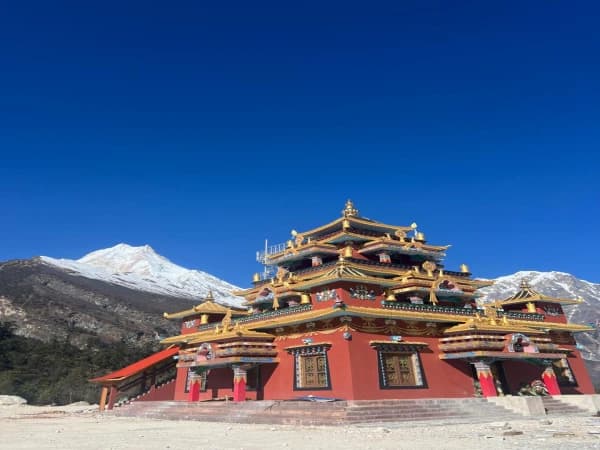
Local guides connect trekkers with the cultural context of villages, monasteries, and communities along the Manaslu route. This dimension adds depth and authenticity to the experience that poorly supported arrangements rarely provide.
Plan Your Manaslu Trek With Regal Nepal Treks
Choosing the right itinerary, acclimatization plan, and trekking pace makes a major difference on the Manaslu Circuit. Regal Nepal Treks helps trekkers prepare for the route with experienced local guides, updated trail information, permit support, and safe high-altitude trekking planning.
FAQs About Manaslu Trek Difficulty
How Hard Is the Manaslu Trek Compared to Everest Base Camp?
Manaslu Trek difficulty is generally rated higher than Everest Base Camp because of more remote terrain, longer consecutive trekking days, and less developed infrastructure. Both reach similar maximum altitudes, but Manaslu demands more sustained effort and greater self-sufficiency throughout.
Is the Manaslu Trek Harder Than the Annapurna Circuit?
Comparable in altitude, but Manaslu feels harder to most trekkers because of greater remoteness, fewer facilities, and less trail support. Thorong La on Annapurna is technically higher at 5,416 meters, but the Manaslu Circuit demands more sustained overall endurance.
Can Beginners Do the Manaslu Trek?
Yes, with proper preparation. Beginners who train for 2 to 3 months, choose a longer itinerary, trek with an experienced local guide, and acclimatize carefully can complete this circuit. It is physically demanding but not technically out of reach for well-prepared first-time high-altitude trekkers.
How Difficult Is Larkya La Pass?
Larkya La at 5,106 meters is the hardest single day on the Manaslu Trek, requiring a pre-dawn start, sustained ascent in cold and windy conditions, and a long rocky descent. No climbing skills are needed, but strong endurance and proper acclimatization are essential to cross it safely.
How Fit Do You Need to Be for the Manaslu Trek?
You need solid endurance fitness and the ability to walk 6 to 8 hours daily on steep mountain terrain for consecutive days. Two to three months of targeted training focused on cardiovascular endurance and sustained uphill movement is the recommended preparation for most trekkers planning this route.