What Is the Manaslu Circuit Trek?
The Manaslu Circuit Trek is a remote high-altitude trekking route in Nepal’s Gorkha region that circles Mount Manaslu and crosses the Larkya La Pass at 5,160 meters. It is less crowded than Everest and Annapurna, but it requires special permits, a licensed guide, and strong preparation because of its altitude, terrain, and limited infrastructure.
Where Is the Manaslu Trek Located?
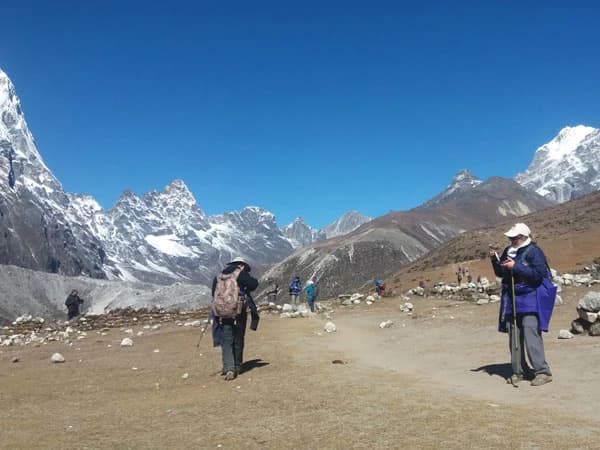
The Manaslu Circuit Trek sits in the Gorkha region of central Nepal. The route circles Mount Manaslu entirely, passing close to the Tibetan border through the Nubri and Tsum valleys. This area falls inside a restricted zone, requiring special permits beyond standard national park entry. The terrain is rugged, villages are traditional, and mountain views stay dramatic throughout.
How Long Is the Manaslu Circuit Trek?
The standard itinerary runs 12 to 16 days, depending on pace and acclimatization stops. Most trekkers average five to eight hours of walking per day across roughly 177 kilometers total. To understand exactly what that covers on the ground, see our breakdown of the Manaslu Circuit Trek distance Beginners should choose itineraries closer to 14 to 16 days to allow adequate acclimatization time.
What Makes Manaslu Different From Everest or Annapurna?
Manaslu sees far fewer trekkers than the Everest Base Camp or Annapurna Circuit routes. This means quieter trails, authentic cultural encounters, and a stronger sense of remote mountain adventure. The trade-off is fewer facilities. Teahouses are simpler, wifi is unreliable, and medical support is harder to access.
Is the Manaslu Trek Good for Beginners?
The Manaslu Trek can be good for beginners who are moderately fit, mentally prepared, and willing to follow a slow itinerary with proper acclimatization. It is not an easy beginner trek, but first-time trekkers can complete it successfully with training, a licensed guide, realistic expectations, and enough time on the trail.
Can First-Time Trekkers Complete the Manaslu Circuit?
Yes. First-time trekkers complete the Manaslu Circuit regularly. The key is not prior trekking experience but physical preparation and willingness to pace slowly. Beginners who arrive having trained consistently, understand altitude risks, and commit to acclimatization days perform just as well as experienced hikers who rush.
What Type of Beginner Can Successfully Complete Manaslu?
Beginners who handle Manaslu well are physically active travelers comfortable walking five to eight hours daily on uneven terrain. They are mentally prepared for basic teahouse conditions, remote environments, and consecutive trekking days at increasing elevations. Comfort with simplicity and patience with slow progress matter as much as leg strength.
Who May Struggle on the Manaslu Trek?
Completely sedentary travelers, people on compressed itineraries under 12 days, and those uncomfortable with basic accommodations tend to struggle. Anyone who ignores early altitude symptoms and pushes through fatigue also significantly increases their risk.
Is Previous Trekking Experience Necessary?
Previous trekking experience is not mandatory for the Manaslu Trek, but beginners should prepare physically and understand the challenges of altitude, remote trails, and long trekking days before attempting the circuit. Manaslu requires neither ropes nor technical gear, only endurance, patience, and preparation.
How Difficult Is the Manaslu Trek for Beginners?
The Manaslu Trek is moderately to highly difficult for beginners because it involves long walking days, remote terrain, high altitude, basic teahouses, and the demanding Larkya La Pass crossing. The difficulty comes more from endurance, altitude adjustment, and consistency than from technical climbing skills.
Trek Duration and Daily Walking Hours
Trekkers walk five to eight hours most days, sometimes longer on the Larkya La crossing day, which can stretch to nine hours or more. Over 14 to 16 days, this builds significant physical and mental fatigue. Managing energy daily rather than burning out early is critical for beginners.
Terrain, Steep Ascents, and Remote Trail Conditions
The Manaslu route combines rocky mountain trails, steep ascents and descents, narrow suspension bridges, and river valley sections. Trails are generally well-marked but physically demanding. There are no paved roads once the circuit begins. Trekking poles are strongly recommended to reduce knee strain on longer descents.
High Altitude and Acclimatization Challenges
Sleeping altitude rises steadily from around 2,000 meters in Soti Khola to over 3,500 meters in Samdo and Dharamsala. Oxygen levels drop noticeably above 3,500 meters, affecting energy, sleep, and appetite. Beginners unaccustomed to altitude often underestimate how much slower their bodies move at high elevation, even on moderate terrain.
Larkya La Pass Difficulty for Beginners
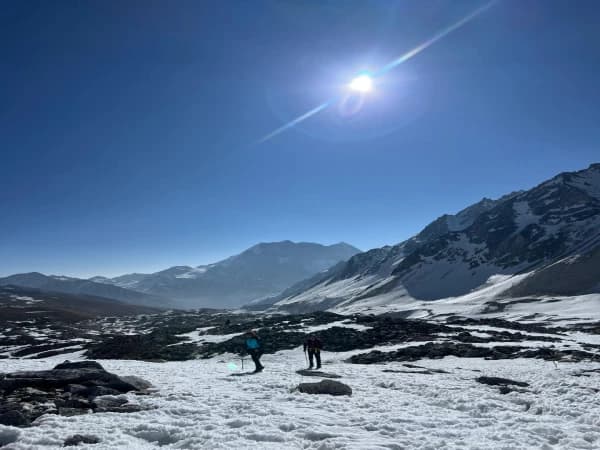
The Larkya La Pass at 5,160 meters is the single most demanding section. Trekkers cross it in one long day, typically starting between 2:00 and 4:00 AM to avoid afternoon winds. The crossing involves a steep ascent, cold temperatures, low oxygen, and a long descent on the far side. For beginners, this day demands everything built across the preceding two weeks.
Mental Difficulty vs Physical Difficulty
Physical fitness matters, but mental resilience is equally important on Manaslu. Consecutive trekking days accumulate fatigue gradually. The remoteness means there are no easy exit points mid-circuit. Beginners who prepare mentally for difficult days, cold nights, and basic conditions handle the trek far better.
How Difficult Is the Manaslu Trek Compared to Other Nepal Treks?
The Manaslu Trek is considered moderately to highly difficult for beginners because of its altitude, long walking days, remote conditions, and the challenging Larkya La Pass crossing rather than technical climbing difficulty. Langtang and Mardi Himal are shorter and lower, making them better starter treks for those with no Himalayan trekking background.
What Is the Hardest Part of the Manaslu Trek for Beginners?
The hardest part of the Manaslu Trek for beginners is usually the Larkya La Pass crossing, followed by cumulative fatigue from many consecutive trekking days. Cold temperatures, reduced oxygen, early starts, and long descents make the high-altitude section physically and mentally demanding.
Crossing Larkya La Pass
The Larkya La Pass crossing is the hardest single day for most beginners. An early morning start in freezing darkness, a long ascent on thin air, wind exposure near the summit, and the physical length of the day combine to test everything a trekker has built over the preceding two weeks.
Back-to-Back Trekking Days and Fatigue
Cumulative fatigue across 12 to 16 continuous trekking days is harder than any single climb. Beginners rarely account for how tired their legs and mind feel by day eight or nine. Building acclimatization stops and rest days into the itinerary is the most effective way to manage this without quitting.
Cold Temperatures at Higher Villages
Villages like Samdo, Dharamsala, and areas near Larkya La drop below freezing at night. Teahouses at these elevations have minimal heating. Beginners who do not pack proper sleeping bags and layering systems lose sleep at altitude, which slows recovery and increases health risks.
Altitude Adjustment and Oxygen Reduction
Above 4,000 meters, even simple activities feel harder. Beginners who have never experienced altitude often find this shocking. Training at sea level builds fitness, but cannot replicate reduced oxygen. Understanding this gap before the trek helps manage expectations and avoid pushing dangerously hard.
What Fitness Level Is Required for the Manaslu Trek?
Beginners need good cardiovascular endurance, leg strength, and the ability to walk five to eight hours per day for multiple days in a row. They do not need to be athletes, but they should train for at least two to three months with hikes, cardio, stairs, and weighted backpack walks.
Can an Average Person Do the Manaslu Trek?
An average person with consistent training can complete the Manaslu Trek. Preparing two to three months before with regular cardio, hiking, and endurance exercise builds the base needed to walk five to eight hours daily on mountain terrain.
Recommended Fitness Level for Beginners
Beginners do not need to be athletes to complete the Manaslu Trek, but they should have good endurance, cardiovascular fitness, and the ability to walk for multiple consecutive days at high altitude. Someone who can comfortably hike five to six hours on hilly terrain and recover well overnight is well-positioned for Manaslu with focused training.
Best Training Before the Trek
Effective Manaslu training includes long hikes on hilly terrain, stair climbing with a loaded backpack, running or cycling for cardiovascular base, and weekend multi-day walks to simulate consecutive trekking days. Training with a backpack matching your expected trail weight prepares shoulders, hips, and legs for the real experience.
How Many Months Should Beginners Train?
Two to three months of focused training is recommended. Build base cardio in the first month, add weighted hikes and increase duration in the second, and simulate back-to-back long hiking days in the third. Starting too close to departure leaves the body underprepared.
Why Endurance Matters More Than Gym Strength
The trail demands sustained aerobic output over long hours, not short explosive effort. Hikers who focus exclusively on gym strength but neglect cardiovascular endurance often find themselves breathing hard well before reaching higher elevations.
What Is the Success Rate for Beginners on the Manaslu Trek?
Prepared beginners have a strong chance of completing the Manaslu Trek when they choose a 14 to 16 day itinerary, acclimatize properly, train before departure, and follow the guide's advice. Most failures happen because of rushed schedules, poor fitness, altitude sickness, or ignoring early warning signs.
Why Most Prepared Beginners Successfully Complete the Trek
Beginners who train adequately, choose 14 to 16 day itineraries, follow acclimatization protocols, and trek with a knowledgeable guide complete the Manaslu Circuit at high rates. Preparation is the defining variable rather than technical skill.
The Biggest Reasons Beginners Fail on Manaslu
Poor acclimatization, rushed itineraries, and inadequate pre-trek fitness are the three most common reasons beginners turn back. Trekkers who skip rest days, ignore early altitude symptoms, or attempt the route on a compressed 10-day schedule face significantly higher dropout rates.
Why Pacing Matters More Than Trekking Speed
Moving slowly and steadily every day is more effective than covering ground quickly and resting frequently. Beginners who pace themselves from day one arrive at Larkya La with reserves left. Those who push hard early arrive at the pass already depleted.
How Should Beginners Prepare for the Manaslu Trek?
Beginners should prepare for the Manaslu Trek by choosing a longer itinerary, training consistently, packing proper cold-weather gear, understanding altitude risks, and setting realistic expectations for remote teahouse conditions. Good preparation directly improves safety, comfort, and completion chances.
Choose the Right Itinerary Length
Beginners should book a 14 to 16-day itinerary. This allows natural acclimatization, genuine rest days, and buffer time for weather delays. Avoid agencies offering aggressive 10 to 12-day circuits without dedicated acclimatization stops.
Why Acclimatization Days Matter
Acclimatization days in villages like Samagaun allow the body to adjust before ascending further. The standard rule is to never gain more than 300 to 500 meters of sleeping altitude per day above 3,000 meters. Skipping acclimatization days to save time significantly raises altitude sickness risk.
Trek in the Best Season
Autumn (September to November) and spring (March to May) are the best seasons for beginner Manaslu trekkers. These windows offer stable weather, clear mountain views, and manageable temperatures. Monsoon and winter conditions make the route far more dangerous for first-timers.
Pack Properly for Altitude and Cold
A proper layering system, broken-in waterproof trekking boots, a sleeping bag rated to minus 10 or minus 15 degrees Celsius, and trekking poles are non-negotiable. Lightweight down jackets, moisture-wicking base layers, and waterproof outer shells handle the temperature swings between warm valley afternoons and freezing high-camp mornings.
What Gear Beginners Should Not Ignore on the Manaslu Trek
Trekking poles protect knees on steep descents. A warm sleeping bag matters because teahouse blankets at high elevation are rarely sufficient. Quality waterproof boots prevent blisters on river crossings and snow sections near the pass.
Understand Realistic Trekking Conditions
Teahouses on Manaslu are simple. Shared toilets, basic meals, limited wifi, and minimal charging options are standard above certain elevations. Adjusting expectations before arrival, not mid-trek, makes the experience far more enjoyable.
Common Beginner Mistakes to Avoid
Walking too fast in the first three days, ignoring early altitude symptoms, overpacking heavy bags, and skipping pre-trek training are the most common beginner mistakes. Each one is entirely avoidable with awareness and honest self-assessment before the trek begins.
Proper preparation is one of the biggest factors determining whether beginners complete the Manaslu Trek, especially when it comes to fitness, acclimatization, gear selection, and itinerary pacing.
Is Altitude Sickness a Major Concern for Beginners on the Manaslu Trek?
Altitude sickness is a major concern on the Manaslu Trek because the route climbs above 5,000 meters and includes several nights at high elevation. Beginners can reduce the risk by ascending slowly, taking acclimatization days, staying hydrated, avoiding alcohol, and never continuing upward with worsening symptoms.
Maximum Altitude Reached During the Trek
The highest point is Larkya La Pass at 5,160 meters. Dharamsala, the base camp before the pass, sits at approximately 4,460 meters. Trekkers spend multiple nights well above the elevation where acute mountain sickness becomes a real risk.
Symptoms Beginners Should Know
Altitude sickness symptoms include persistent headache, fatigue beyond normal tiredness, nausea, loss of appetite, dizziness, and difficulty sleeping. The key rule is never ascend further if symptoms are present. Descend if symptoms worsen.
How Acclimatization Reduces Risk
Scheduled acclimatization days, gradual elevation gain, staying well hydrated, and avoiding alcohol at altitude all reduce risk significantly. Acclimatization dramatically narrows the window of risk for otherwise healthy trekkers who follow the protocol.
Tips to Avoid Altitude Sickness on Manaslu
Drink three to four liters of water daily, avoid alcohol during high-altitude sections, ascend slowly, and take rest days as planned. Many trekking agencies also recommend consulting a doctor about Diamox before departure, particularly for beginners with no high-altitude experience.
Do Beginners Need Oxygen on the Manaslu Trek?
Altitude sickness is one of the biggest risks on the Manaslu Trek because the route reaches high elevations above 5,000 meters, but proper acclimatization and slow pacing significantly reduce the risk for beginners. Supplemental oxygen is not standard equipment on Manaslu trekking circuits and is used only in genuine emergencies.
Is Manaslu Safer for Beginners With a Guide?
Manaslu is safer for beginners with a licensed guide because guides help manage navigation, pacing, altitude symptoms, teahouse logistics, weather decisions, and emergency response. A guide is also mandatory because the route passes through a restricted trekking area where independent trekking is not allowed.
Why Guides Are Mandatory on Manaslu
The Manaslu Circuit passes through a restricted area. Nepal government regulations require all trekkers to hold a Restricted Area Permit and trek with a registered licensed guide. Independent trekking is not permitted on this route.
Can Beginners Do the Manaslu Trek Independently?
No. Regulations require a licensed guide regardless of experience level. For beginners, this rule is as much a safety benefit as a legal requirement.
Benefits of Trekking With an Experienced Guide
Guides provide navigation support on unmarked sections, monitor trekkers for altitude sickness symptoms, communicate in local languages, arrange teahouse accommodations, and make critical decisions when weather or health conditions change.
How Guides Help With Pacing and Altitude
Experienced guides recognize when a trekker is pushing too hard before the trekker does. They adjust daily pace, recommend rest breaks, enforce acclimatization days, and advise descent when symptoms appear. This is particularly valuable for beginners who lack the personal experience to self-assess at altitude.
Emergency Response and Evacuation Realities
Helicopter evacuation is possible from certain points on the Manaslu route, but it is expensive and weather-dependent. Communication in remote sections is limited. Trekking insurance covering high-altitude helicopter evacuation is essential and non-negotiable.
Should Beginners Hire a Porter?
Hiring an experienced guide greatly improves safety on the Manaslu Trek because guides help beginners manage altitude, pacing, navigation, weather conditions, and emergencies in remote mountain terrain. Adding a porter reduces physical load significantly, allowing beginners to conserve energy for consistent daily walking.
Is the Manaslu Trek Expensive for Beginners?
The Manaslu Trek is more expensive than many beginner treks in Nepal because it requires restricted area permits, conservation permits, and a licensed guide. Beginners should avoid unrealistically cheap packages and confirm that permits, guide fees, accommodation, and safety support are properly included.
Permit and Guide Costs Beginners Should Expect
The Manaslu Trek requires the Restricted Area Permit, Manaslu Conservation Area Permit, and Annapurna Conservation Area Permit if completing the full circuit. These permits, combined with mandatory guide fees, make Manaslu more expensive than open trekking routes like Poon Hill or Langtang.
Why Manaslu Costs More Than Some Beginner Treks
Restricted area permits, mandatory licensed guides, and limited teahouse competition at higher elevations all contribute to higher overall trekking costs. Budget estimates typically run between 1,500 and 2,500 USD for a complete guided Manaslu Circuit, depending on group size, season, and agency.
How to Avoid Choosing Unrealistically Cheap Treks
Unusually low-priced Manaslu packages often cut corners on permit legality, guide experience, or accommodation quality. Confirm all required permits, a registered licensed guide, and teahouse bookings are included before committing.
Manaslu Trek vs Everest Base Camp or Annapurna for Beginners
Compared with Everest Base Camp and Annapurna, Manaslu feels more remote, quieter, and less developed. It offers a more authentic trekking experience, but beginners should understand that Everest and Annapurna have better infrastructure, easier evacuation access, and more established teahouse networks.
Which Trek Is Physically Harder?
Manaslu and Everest Base Camp reach similar maximum elevations. Manaslu involves more remote terrain and a higher pass crossing, while Everest Base Camp has better trail infrastructure and more teahouse options.
Which Trek Has Better Infrastructure?
Everest Base Camp and the Annapurna Circuit have significantly better teahouse infrastructure, medical facilities, and emergency response networks than Manaslu. For beginners who value safety net infrastructure, this is a meaningful difference.
Which Trek Feels More Remote?
Manaslu feels considerably more remote than either Everest Base Camp or the Annapurna Circuit. Fewer trekkers, traditional villages, and quieter trails define the Manaslu experience in ways that EBC and Annapurna cannot match.
Which Trek Is Better for First-Time Nepal Trekkers?
For beginners who want structured infrastructure and easy evacuation access, Everest Base Camp or the Annapurna Circuit Trek is a safer first choice. Well-prepared beginners specifically seeking a quieter and more authentic experience will find Manaslu genuinely different and deeply rewarding.
Why Some Beginners Prefer Manaslu Over Everest
Fewer crowds, an authentic cultural atmosphere, and quieter trails draw beginners to Manaslu even though the route is more remote. Many trekkers who have done Everest Base Camp choose Manaslu as their second major trek, but an increasing number of well-prepared first-timers are choosing it as their Himalayan introduction.
What Beginners Usually Struggle With on Manaslu
Beginners usually struggle most with altitude fatigue, long walking days, cold nights, limited comfort, and unpredictable mountain weather. These challenges are manageable with training, proper gear, slower pacing, and realistic expectations before starting the trek.
Altitude Fatigue
Altitude fatigue accumulates gradually and feels different from normal tiredness. Sleep quality drops above 3,500 meters, appetite decreases, and recovery between trekking days slows. Rest days built into the itinerary help manage this effectively.
Long Walking Days
Days running six to eight hours on uneven mountain terrain wear on the body in ways short training hikes cannot fully prepare. Building multi-day hiking weekends into pre-trek training helps condition legs and mind for sustained effort.
Cold Mornings and Nights
High-altitude mornings begin well below freezing. Getting out of a sleeping bag in a cold teahouse room and starting a long day before sunrise is a shock for beginners unused to mountain conditions. Proper layering and quality gear eliminate most of this discomfort.
Limited Comforts and Connectivity
No reliable wifi, shared toilets, limited charging ports, and basic food menus challenge beginners expecting comfortable travel conditions. Adjusting expectations before arrival makes the experience far more enjoyable.
Unpredictable Mountain Weather
Conditions on Manaslu change rapidly. Morning sunshine can become afternoon snowstorms near the pass. Pack for worst-case weather conditions at every elevation and trust your guide's judgment when weather shifts.
Is the Manaslu Trek Worth It for Beginners?
The Manaslu Trek is worth it for well-prepared beginners who want a quieter, more remote, and culturally rich Himalayan experience. It is best suited for trekkers who value solitude and authenticity over comfort, convenience, and easy trail infrastructure.
Why Many Beginners Prefer Manaslu Over Crowded Treks
Beginners who value solitude, cultural depth, and unfiltered Himalayan scenery over convenience often find Manaslu more fulfilling than busier routes. The absence of tourist crowds creates space for genuine connection with local villages and mountain landscapes.
What Makes Manaslu Feel More Authentic
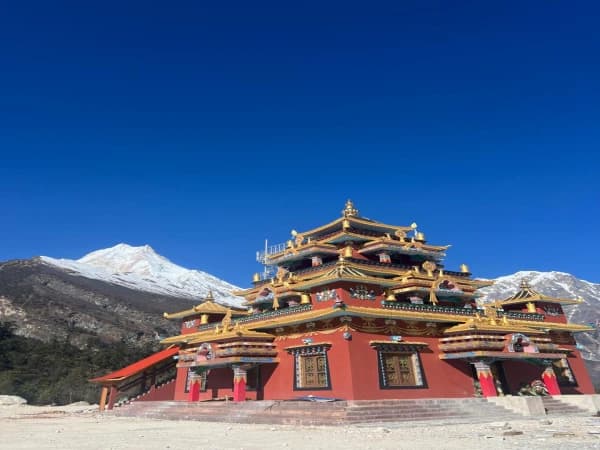
The Nubri and Tsum valley communities maintain traditional Tibetan-influenced lifestyles largely undisturbed by mass tourism. Monasteries, prayer flags, and yak herders create a trekking atmosphere that feels genuinely remote rather than commercially developed.
The Rewards of Completing the Manaslu Circuit
Standing at Larkya La Pass after two weeks of consistent effort, looking out over the Himalayan horizon with few other trekkers in sight, is an experience most beginners describe as transformative. The physical challenge and the reward are proportional.
Who Should Choose the Manaslu Trek?
Well-prepared, moderately fit beginners who are genuinely excited about remote mountain trekking, can handle basic conditions, and are willing to invest two to three months in training are ideal candidates for the Manaslu Circuit.
Who Should Start With an Easier Nepal Trek First?
Beginners with no hiking background, those who have never spent multiple consecutive days outdoors, or travelers uncomfortable with basic facilities should start with a shorter and lower-altitude trek first.
Easier Alternatives Before Manaslu
The Langtang Valley Trek, Mardi Himal Trek, and Ghorepani Poon Hill Trek are excellent stepping-stone treks. For beginners seeking a quieter and more authentic Himalayan trekking experience, the Manaslu Circuit Trek can be extremely rewarding when approached with realistic expectations, proper preparation, and respect for altitude conditions.
Expert Recommendation for First-Time Manaslu Trekkers
First-time Manaslu trekkers should choose a 14 to 16-day itinerary, trek in autumn or spring, train for at least three months, hire an experienced guide, and prioritize slow pacing over speed. Preparation and patience matter more than previous trekking experience.
Ideal Itinerary Recommendation
A 14 to 16-day itinerary with rest days in Samagaun and at least one acclimatization walk before Larkya La is the recommended structure for beginners. Do not compress the route below 14 days regardless of fitness level.
Recommended Trekking Season
Autumn (late September to early November) is the top recommendation for first-time Manaslu trekkers. Spring (late March to early May) is the second-best option. Both offer stable weather and clear mountain conditions.
Recommended Training Approach
Start training three months before departure. Build cardiovascular fitness first, then add weighted hikes and consecutive hiking days. Simulate the experience of walking tired and heavily loaded before arriving in Nepal.
Why Slow Pacing Matters More Than Speed
Covering ground slowly and consistently is the most effective Manaslu strategy. Rushing to complete daily distances faster than needed burns reserves needed for the Larkya La crossing and the final circuit days.
Why Preparation Matters More Than Previous Trekking Experience
First-time trekkers with strong preparation outperform experienced hikers who arrive undertrained. Manaslu rewards consistency, patience, and planning far more than prior trekking experience.
Plan Your Manaslu Trek With Regal Nepal Treks
The Manaslu Circuit Trek is far more enjoyable for beginners when the itinerary, acclimatization schedule, permits, guide support, and pacing are planned properly. Regal Nepal Treks helps first-time trekkers prepare for the Manaslu Circuit with experienced local guides, realistic itineraries, permit management, and safe high-altitude trekking support across the route.
FAQs About Beginners Doing the Manaslu Trek
Can a Beginner Do the Manaslu Trek?
Yes. Beginners complete the Manaslu Circuit regularly with proper fitness preparation, a 14 to 16-day itinerary, a licensed guide, and a commitment to slow, steady pacing throughout the route.
Is Manaslu Harder Than Everest Base Camp?
Manaslu and Everest Base Camp reach similar altitudes, but Manaslu is considered more remote and has less trail infrastructure. The Larkya La Pass crossing makes Manaslu slightly more demanding overall for most beginners.
Is Manaslu Harder Than the Annapurna Circuit?
Manaslu is comparable in difficulty to the full Annapurna Circuit but feels more remote and offers fewer facilities. The Larkya La Pass is higher than the Thorong La on Annapurna, making the single hardest day on Manaslu more demanding.
How Fit Do I Need to Be for the Manaslu Trek?
You should be able to hike five to six hours comfortably on hilly terrain before starting your training. Two to three months of consistent training, including cardio, long hikes, and weighted walking, is the recommended preparation baseline.
Is Altitude Sickness Common on Manaslu?
Altitude sickness affects some trekkers above 3,500 meters. Following proper acclimatization protocols, hydrating well, and ascending gradually significantly reduces the risk for most healthy beginners.
What Is the Hardest Day on the Manaslu Trek?
The Larkya La Pass crossing day is universally considered the hardest day. It involves an early morning start, a long, steep ascent to 5,160 meters, significant cold and wind exposure, and a long descent on the far side.
Is the Manaslu Trek Safe for Beginners?
With a licensed guide, proper gear, adequate preparation, and travel insurance covering helicopter evacuation, the Manaslu Trek is safe for well-prepared beginners. The mandatory guide rule adds a layer of safety that independent trekking cannot provide.
Which Season Is Best for Beginner Trekkers?
Autumn, specifically late September through early November, is the best season for beginner trekkers on the Manaslu Circuit. Clear skies, stable weather, and manageable temperatures make this window ideal for first-time high-altitude trekking.