How Should You Train for the Manaslu Trek?
Training for the Manaslu Trek should focus on endurance, uphill stamina, recovery, and altitude preparation because the route involves long consecutive days of high-altitude trekking.
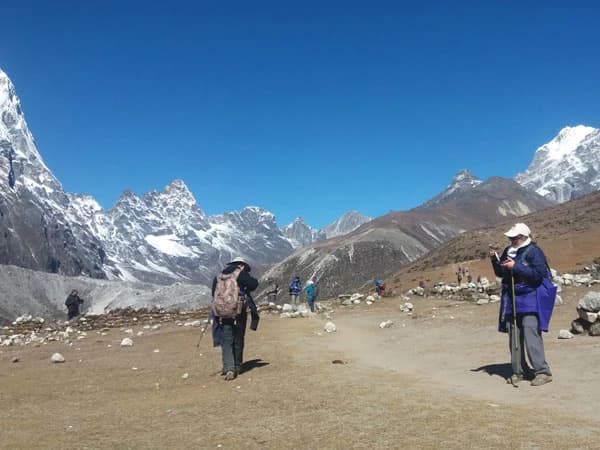
The Manaslu Circuit Trek demands much more than casual fitness. Trekkers spend nearly two weeks walking across mountain trails while carrying daypacks through steep ascents, suspension bridges, rocky descents, and cold Himalayan conditions. The body remains under continuous physical stress with very little complete recovery between trekking days.
At Regal Nepal Treks, we often see trekkers arrive physically strong but mentally unprepared for the repetitive rhythm of Himalayan trekking. Long uphill days, cold mornings, and accumulated fatigue affect people differently once the route climbs above Samagaun and Samdo. Many trekkers realize too late that endurance and recovery matter more than speed.
Why the Manaslu Circuit Requires Physical Preparation
The trek becomes difficult because fatigue compounds gradually instead of arriving suddenly. Most trekkers feel comfortable during the early days near Machha Khola and Jagat, then begin noticing slower recovery and heavier breathing after several consecutive days of uphill walking.
The body must handle repeated trekking stress while oxygen levels continue decreasing at altitude. Proper preparation helps trekkers maintain more stable energy and safer pacing throughout the circuit.
What Makes Manaslu More Demanding Than Easier Nepal Treks
Unlike shorter treks like Ghorepani Poon Hill or Mardi Himal, Manaslu keeps trekkers exposed to high altitude for many consecutive days. The route also feels more remote, physically longer, and less developed than popular beginner trekking routes in Nepal.
Recovery becomes harder after Samagaun once colder temperatures and thinner oxygen combine. Even strong trekkers often notice their walking rhythm slowing naturally near Samdo and Dharamsala.
What Trekkers Usually Underestimate About Manaslu
-
Slower recovery after altitude gain
-
Repetitive uphill trekking days
-
Downhill fatigue after long descents
-
Cold mornings drain energy
-
Reduced appetite at altitude
-
Breathing changes during steep climbs
-
mental fatigue during isolated trail sections
-
Poor sleep quality in higher villages
How Proper Training Improves Trekking Safety
Prepared trekkers usually acclimatize more comfortably and recover faster after difficult trekking days. Better endurance also helps trekkers manage steep climbs safely while maintaining a steady breathing rhythm during altitude gain.
Trekkers who arrive prepared often enjoy the overall mountain experience more because physical exhaustion feels easier to control. Guides also find it easier to maintain safe pacing with properly conditioned trekkers.
Why Endurance Matters More Than Speed
Fast walking rarely helps on Manaslu. Trekkers who conserve energy and move steadily usually perform much better during the second half of the trek once altitude and accumulated fatigue begin affecting recovery.
At Regal Nepal Treks, we regularly encourage trekkers to focus on breathing rhythm instead of speed. Slow, consistent movement almost always works better at altitude than aggressive pacing early in the trek.
Guide Observation From Regal Nepal Treks
-
Trekkers walking too aggressively early usually struggle later
-
Slower pacing improves acclimatization
-
Hydration becomes more important above Samdo
-
The recovery quality decreases near Dharamsala
-
Downhill fatigue surprises many trekkers
-
Strong gym athletes often underestimate endurance demands
How Difficult Is the Manaslu Trek Physically?
The Manaslu Trek becomes physically demanding because trekkers walk long mountain distances at high altitude with limited recovery between consecutive trekking days.
The trek grows harder gradually rather than all at once. Many trekkers feel physically strong during the first week, then suddenly notice heavier legs, slower breathing, and reduced recovery once the route reaches higher elevations.
The real difficulty on Manaslu comes from sustained physical effort across many days instead of one extremely difficult moment. Recovery gradually becomes weaker while trekking effort stays constant.
Long Trekking Days and Elevation Gain
Most trekking days last between 6 and 9 hours, depending on route conditions and weather. Daily elevation gain forces the body to remain active continuously while crossing steep mountain terrain and uneven rocky trails.
Long uphill sections become increasingly tiring once oxygen levels decrease above 3,500 meters. Trekkers often notice that even small climbs begin requiring more effort after several consecutive trekking days.
High Altitude and Reduced Oxygen Levels
Altitude becomes noticeable above 3,500 meters. Breathing grows heavier during short uphill sections while recovery naturally slows. Many trekkers first notice altitude through unusual fatigue rather than dramatic AMS symptoms.
Trekkers often expect severe altitude symptoms immediately, but the reality usually feels more gradual. Small physical tasks begin requiring more energy once the body reaches a higher elevation.
What Trekkers Usually Notice Above Samdo
-
Slower uphill movement
-
Heavier breathing during climbs
-
Poor sleep quality
-
Less appetite during dinner
-
Tired legs remain sore overnight
-
More frequent rest breaks
-
Colder mornings are feeling harder mentally
-
Slower recovery after trekking
Steep Climbs, Descents, and Rocky Trails
The route includes long stone staircases, suspension bridges, narrow mountain paths, and rocky descents that constantly stress knees, calves, and leg endurance.
Downhill sections often feel harder than expected because tired muscles absorb repeated impact for many hours. Trekking poles become extremely valuable once fatigue begins building after several days at altitude.
Why Consecutive Trekking Days Feel So Hard
The body usually handles one difficult trekking day reasonably well. The real challenge on Manaslu begins when difficult days continue repeatedly, while altitude reduces recovery quality each night.
Many trekkers wake up near Dharamsala already physically tired before the next trekking day even begins. That accumulated fatigue becomes one of the hardest parts of the circuit.
Larkya La Pass Physical Challenges
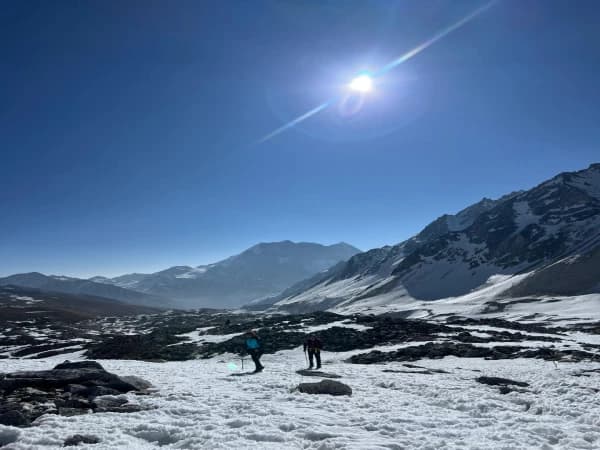
Larkya La Pass combines freezing temperatures, wind exposure, thin oxygen, and long trekking hours into the hardest day of the circuit. Most trekkers begin walking before sunrise while already carrying nearly a week of accumulated mountain fatigue.
The pass itself is not technically dangerous in stable weather, but it feels extremely long because the body reaches it after many consecutive days above altitude.
Reality vs Expectation on Larkya La
|
Expectation
|
Reality
|
|
The ascent feels hardest
|
The descent often feels worse
|
|
Strong legs are enough
|
Recovery and pacing matter more
|
|
Cold weather feels uncomfortable only
|
Cold drains energy continuously
|
|
One hard day defines the trek
|
Fatigue builds gradually for days
|
|
Fast walkers perform best
|
Slow pacing usually works better
|
What Fitness Level Do You Need for the Manaslu Trek?
Prepared beginners can complete the Manaslu Trek successfully if they train consistently for endurance, uphill stamina, and cardiovascular fitness.
Trekkers do not need elite athletic ability for Manaslu, but they should feel comfortable hiking for long hours across uneven mountain terrain. Endurance, pacing, and recovery matter much more than short bursts of strength.
At Regal Nepal Treks, we regularly see beginners complete the circuit successfully when they prepare consistently and follow realistic acclimatization schedules.
Recommended Endurance for Trekkers
Trekkers should comfortably complete long hikes with elevation gain before arriving in Nepal. Multi-hour hiking endurance prepares the body much better than short high-intensity workouts.
The body must learn how to sustain energy for long periods while maintaining a stable breathing rhythm during uphill movement.
Can Beginners Successfully Train for Manaslu?
Yes. Many beginners complete the trek safely every year with proper preparation and realistic pacing. Trekkers who train gradually for endurance often adapt surprisingly well once the route reaches higher elevations.
Mental preparation also matters greatly. Trekkers comfortable with repetitive mountain routines usually adjust much better during long trekking weeks.
What Type of Fitness Matters Most?
The most useful fitness areas include:
-
cardiovascular endurance
-
uphill stamina
-
recovery capacity
-
leg endurance
-
pacing control
-
mental consistency
-
downhill stability
These matter far more than sprint performance or heavy gym lifting.
How Hiking Experience Helps at Altitude
Previous hiking experience improves pacing, breathing rhythm, and mental adaptation during difficult trekking days. Even regular weekend hiking builds valuable endurance before Nepal.
Trekkers familiar with long uphill movement usually adjust more comfortably once altitude begins slowing recovery near Samdo and Dharamsala.
Why Gym Strength Alone Often Fails
Many strong gym athletes struggle because Himalayan trekking rewards sustained energy output rather than explosive strength. Long uphill movement, thinner oxygen, and repetitive fatigue create a very different physical challenge.
Trekkers who focus only on gym strength often feel surprisingly exhausted once trekking days continue repeatedly at altitude.
Trekkers Who Usually Struggle More
-
People with no uphill hiking experience
-
Trekkers relying only on gym workouts
-
Fast walkers ignore pacing
-
Travelers uncomfortable with cold conditions
-
Trekkers underestimating consecutive fatigue
-
hikers with poor recovery habits
-
Trekkers carrying unnecessarily heavy backpacks
When Should You Start Training for the Manaslu Trek?
Most trekkers should begin training 8 to 12 weeks before the Manaslu Trek to build endurance gradually and reduce injury risk.
Starting early allows the body to adapt safely to uphill hiking, cardio conditioning, and repetitive trekking movement. Gradual preparation also improves recovery and confidence during difficult mountain sections.
Trekkers who rush preparation often arrive in Nepal already physically exhausted from aggressive last-minute workouts.
Ideal Training Timeline for Beginners
Beginners usually need longer preparation because endurance and uphill stamina take time to develop properly. Consistent weekly training produces much stronger results than rushed preparation before departure.
Gradual training also allows muscles, knees, and joints to adapt safely before long trekking days begin in Nepal.
Why Early Preparation Matters
Trekkers who begin training too late often struggle with recovery and fatigue once the altitude increases. At Regal Nepal Treks, we frequently notice that steady long-term endurance training performs much better during high-altitude trekking.
Consistent preparation also improves confidence during difficult trekking sections near Dharamsala and Larkya La Pass.
Short-Term vs Long-Term Trekking Preparation
Long-term conditioning improves recovery capacity and endurance far more effectively than short training bursts. The body adapts much better when the workload increases gradually over several months.
Short-term fitness improvements may help initially, but they rarely prepare trekkers fully for consecutive Himalayan trekking days.
Can You Prepare in One Month?
One month can improve basic conditioning, but longer preparation produces much safer and more comfortable trekking performance. One month is usually enough only for trekkers already maintaining strong hiking fitness.
Trekkers starting from low fitness levels should prepare much earlier before the trek begins.
Recommended Weekly Training Schedule
Most trekkers benefit from:
This combination improves endurance while allowing recovery between sessions.
What Cardio Training Is Best for the Manaslu Trek?
The best cardio training for Manaslu focuses on long-duration endurance activities like hiking, incline walking, stair climbing, and aerobic conditioning.
Cardio training should prepare the body for sustained mountain movement instead of short bursts of speed. Himalayan trekking demands steady effort for many consecutive hours while oxygen levels gradually decrease.
Endurance consistency matters much more than sprint performance or short, intense workouts.
Hiking, Stair Climbing, and Incline Walking
Incline walking and stair climbing closely simulate Himalayan trekking conditions. These exercises strengthen uphill stamina while improving cardiovascular endurance directly.
Trekkers who regularly hike hills usually adapt much more comfortably during early trekking days on Manaslu.
Running, Cycling, and Aerobic Conditioning
Running and cycling improve aerobic conditioning and heart-rate recovery during long climbs. Strong cardiovascular fitness helps trekkers maintain a more stable breathing rhythm at altitude.
These activities also help improve recovery between difficult trekking days once the route reaches higher elevations.
Training for Long-Duration Trekking Days
Trekkers should focus on sustained effort instead of maximum speed. Long-duration training sessions prepare the body for the real Himalayan trekking rhythm, where movement continues for many hours every day.
Many trekkers underestimate how tiring repetitive movement becomes once trekking continues day after day without full recovery.
Building Endurance Gradually
Sudden training intensity often creates injury or burnout before the trek begins. Endurance improves best through gradual weekly progression over several months.
The body adapts more safely when training increases steadily instead of aggressively.
Why Incline Training Helps So Much
Incline walking trains calves, lungs, hips, and leg endurance for the steep ascents common throughout the Manaslu Circuit Trek.
Incline workouts also help trekkers practice steady pacing, which becomes extremely important during altitude gain.
What Good Trekking Cardio Usually Includes
What Strength Training Helps Prepare for Manaslu?
Strength training for Manaslu should focus on functional leg endurance, balance, and stability because mountain descents place heavy strain on the body.
Leg Strength for Uphill and Downhill Trekking
Useful exercises include:
-
squats
-
lunges
-
step-ups
-
split squats
-
calf raises
-
loaded carries
These improve uphill power and downhill control during steep mountain sections.
Core Stability and Balance
Strong core muscles improve stability across rocky trails and uneven terrain. Better balance also reduces unnecessary energy loss during long trekking days.
Trekkers with better stability usually feel more confident during narrow trail sections and difficult descents.
Shoulder and Back Strength for Daypacks
Trekkers carry water, layers, snacks, and supplies daily. Backpack training helps shoulders and posture adapt to repeated movement over many hours.
Even light backpacks begin feeling much heavier once fatigue accumulates at altitude.
Functional Exercises for Trekking Endurance
Loaded step-ups and hiking movements prepare trekking muscles more realistically than isolated gym machines. Functional training improves mountain movement directly.
The goal is not maximum strength. The goal is sustained endurance under repetitive trekking conditions.
Why Descents Feel Harder Than Expected
Many trekkers expect uphill sections to feel hardest physically. In reality, tired legs often struggle more during long descents after Larkya La Pass.
Knees absorb repeated impact for hours, while altitude fatigue slows muscle recovery.
What Trekkers Usually Notice During Descents
How Should Trekkers Prepare for Altitude?
Altitude preparation depends more on acclimatization, pacing, hydration, and recovery than extreme fitness because oxygen decreases significantly above 3,500 meters.
Why Fitness Alone Does Not Prevent Altitude Sickness
Even strong athletes can develop altitude sickness because acclimatization depends on how the body adapts to thinner oxygen, rather than fitness alone.
Good endurance helps physically, but slow ascent and recovery remain much more important for altitude safety.
How Acclimatization Works
Slow ascent allows the body to adjust gradually to oxygen reduction. Acclimatization days around Samagaun help reduce physical stress before trekkers move higher.
Trekkers who rush altitude gain often struggle much more later in the circuit.
Why Pacing Matters at Altitude
Regal Nepal Treks guides regularly encourage slower pacing long before trekkers feel serious altitude symptoms. Trekkers who conserve energy usually acclimatize more comfortably later.
Fast walking increases exhaustion unnecessarily once oxygen levels decrease above 3,500 meters.
Common AMS Symptoms Trekkers Should Watch For
Common symptoms include:
-
headaches
-
nausea
-
dizziness
-
appetite loss
-
unusual fatigue
-
poor sleep
-
shortness of breath
Recognizing symptoms early improves safety significantly.
Why Altitude Feels Different for Everyone
Some trekkers acclimatize quickly, while others struggle despite strong fitness. Hydration, sleep, pacing, genetics, and recovery all influence altitude adaptation differently.
Even experienced hikers can feel unexpectedly tired once consecutive altitude days begin accumulating.
What Guides Usually Notice Before AMS Gets Worse
-
unusual silence during climbs
-
slower walking rhythm
-
reduced appetite
-
increased breathing effort
-
longer recovery breaks
-
decreased hydration
-
visible fatigue during small climbs
What Trekkers Usually Underestimate About Manaslu Fitness
Most trekkers underestimate how much recovery, pacing, and consecutive fatigue affect the Manaslu Trek once altitude begins slowing the body down.
Consecutive Trekking Fatigue
The real challenge on Manaslu is not one difficult day. Fatigue builds continuously across many trekking stages while recovery gradually becomes weaker at altitude.
Many trekkers feel strong during the first week, then suddenly notice heavy legs and slower recovery near Samdo and Dharamsala.
Downhill Strain on Knees
Long descents after Larkya La create major muscle fatigue once legs are already exhausted. Trekking poles become extremely valuable during these sections.
Trekkers who ignore downhill training often struggle far more than expected during descent days.
Recovery Difficulty at Altitude
Cold weather and thinner oxygen reduce overnight recovery quality near Samdo and Dharamsala. Many trekkers wake up still physically tired before the next trekking day begins.
Sleep also becomes lighter and less refreshing once the altitude increases.
Cold Morning Energy Loss
Freezing mornings above Dharamsala drain energy faster than many trekkers expect. Even simple tasks like putting on boots or packing bags feel slower before sunrise.
Cold weather quietly increases fatigue throughout higher sections of the route.
Mental Fatigue During Long Treks
Mental fatigue often becomes harder than physical fatigue once repetitive uphill walking and cold mountain routines continue for many days.
Trekkers comfortable with a slower mountain rhythm usually adapt much better during the second week of the circuit.
Reality vs Expectation During the Second Week
|
Expectation
|
Reality
|
|
Fitness alone solves everything
|
Recovery becomes equally important
|
|
The body adapts quickly
|
Fatigue compounds gradually
|
|
Trekking gets easier with experience
|
Altitude still affects everyone
|
|
Cold only affects comfort
|
Cold increases energy loss
|
|
One restful night fully restores energy
|
Recovery slows significantly
|
Expert Training Tips From Regal Nepal Treks Guides
Experienced local guides recommend steady endurance preparation, slower pacing, and recovery-focused training rather than aggressive fitness routines before Manaslu.
Train Consistently Instead of Aggressively
Steady weekly endurance training works better than extreme workouts followed by long breaks. The body adapts best through gradual repetition.
Trekkers who overtrain before Nepal often arrive already physically tired.
Focus on Uphill Endurance
Slow uphill stamina matters much more than short-distance speed during Himalayan trekking.
Trekkers who pace themselves carefully usually feel much stronger near Larkya La Pass.
Walk Slowly During the Actual Trek
Trekkers who conserve energy early usually feel much stronger during the higher sections near Larkya La.
Aggressive pacing early in the trek usually creates more fatigue later.
Keep Your Backpack Light
Heavy backpacks increase fatigue dramatically during long ascents and descents. Even a few unnecessary kilograms feel much heavier once the altitude increases.
Light backpacks help conserve energy during consecutive trekking days.
Respect Recovery and Hydration
Hydration and recovery become part of the challenge on Manaslu. Dehydration quietly increases fatigue and headache risk during higher sections.
Many trekkers drink less water at altitude because cold weather suppresses thirst naturally.
Practical Guide Advice Before Manaslu
-
Avoid rushing uphill sections
-
Practice hiking with backpacks
-
Prioritize sleep before the trek
-
Train downhill endurance
-
Break in trekking boots early
-
Focus on pacing instead of speed
-
Prepare mentally for repetitive trekking days
Prepare for Manaslu With Regal Nepal Treks
Experienced local trekking teams help trekkers prepare more realistically for Manaslu through acclimatization-focused itineraries, safe pacing, and practical Himalayan trekking guidance.
Regal Nepal Treks supports trekkers with:
The company’s guides regularly work across high-altitude Himalayan routes and understand how altitude, fatigue, weather, and pacing affect trekkers differently throughout the Manaslu Circuit Trek.
Guides also help trekkers prepare mentally for the slower rhythm of Himalayan trekking. That realistic preparation often makes the overall experience safer, calmer, and much more enjoyable.
FAQs About Training for the Manaslu Trek
How fit do you need to be for the Manaslu Trek?
Trekkers need strong endurance and cardiovascular fitness rather than elite athletic ability. Consistent uphill hiking preparation matters most for long trekking days at altitude.
How should I train for the Manaslu Circuit Trek?
Focus on endurance hiking, incline walking, stair climbing, strength training, recovery, and long-duration cardio sessions.
How many months should I train before Manaslu?
Most trekkers should prepare for at least 8 to 12 weeks before the trek for safer acclimatization and stronger endurance.
Is cardio important for the Manaslu Trek?
Yes. Cardiovascular endurance is extremely important because trekkers spend long hours walking at high altitudes with reduced oxygen levels.
Can beginners complete the Manaslu Trek?
Yes. Prepared beginners can complete the trek safely with proper training, realistic pacing, and experienced guide support.