What Is a Manaslu Circuit Group Join Trek?
A Manaslu Circuit group join trek is a pre-scheduled departure where individual travelers join together to form a single trekking group. Instead of organizing a private expedition, you book a spot on a fixed date and share the journey, guides, permits, and logistics with other trekkers from around the world.
How does a group join trek work on the Manaslu Circuit?
Trekking companies publish fixed departure dates for each spring and autumn season. You pick a date that suits your schedule, reserve your spot, and pay a deposit. The company handles all permits, guide assignments, porter arrangements, transport to the trailhead, and tea house bookings. On departure day, you meet your group in Kathmandu and head to the trailhead together.
What is the difference between private and group trekking?
|
Feature
|
Group Join Trek
|
Private Trek
|
|
Cost per person
|
Lower (shared)
|
Higher (individual)
|
|
Departure dates
|
Fixed schedule
|
Flexible, any date
|
|
Group size
|
4 to 10 trekkers
|
2 to 10 (your own group)
|
|
Social experience
|
Meet new people
|
Travel with your own group
|
|
Logistics control
|
Managed by the operator
|
More customizable
|
|
Best for
|
Solo or budget trekkers
|
Families, couples, and specific itineraries
|
Who usually joins Manaslu group treks?
Solo travelers from Europe, Australia, North America, and Asia make up the majority of participants in group join. You also see pairs of friends seeking a more social experience and budget-conscious trekkers who want all logistics handled without paying private prices. Group sizes at Regal Nepal Treks are kept between four and ten trekkers to maintain a personal atmosphere.
Why Choose a Group Join Trek for the Manaslu Circuit?
Group join treks make the Manaslu Circuit more affordable, social, and logistically easier because trekkers share guides, permits, transportation, and remote mountain coordination.
How does group trekking reduce overall trekking cost?
On a private trek, you carry the full cost of a licensed guide, porter, permits, jeep transportation, and logistics management yourself. When those costs are split across four to ten people, the per-person price drops significantly. The Manaslu Restricted Area Permit alone costs $100 per person for the first seven days in peak season. Sharing the guide and transportation costs on top of that creates meaningful savings.
How does group support help during difficult trekking days?
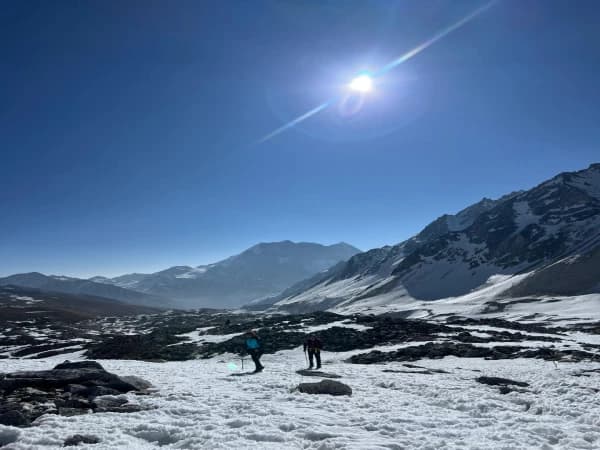
The Larkya La Pass crossing starts before dawn from Dharamsala at 4,460 meters. It takes 10 to 11 hours and covers the most physically demanding terrain on the route. In a group, your guide monitors everyone together. If one person struggles with early AMS signs, the group slows down. That collective pace management protects everyone.
For beginners, group pacing also reduces the common mistake of walking too quickly during the early days of the trek. Shared rhythm often leads to better acclimatization outcomes for the entire team.
Why are shared logistics useful on remote routes?
The Manaslu Circuit enters a restricted area where independent trekking is not allowed. Permits must be arranged in advance through a registered company. Jeep transportation from Kathmandu to Machha Khola requires coordination. Tea houses at key stops like Samagaon need pre-booking during peak season. When the operator handles all of this for a group, you arrive at the trailhead ready to walk, not ready to problem-solve.
Is the Manaslu Circuit Trek Good for Group Trekking?
The Manaslu Circuit is one of Nepal’s best group trekking routes because it combines remote Himalayan scenery, tea house trekking, and mandatory guide support.
Why does the Manaslu route work well for group trekking?
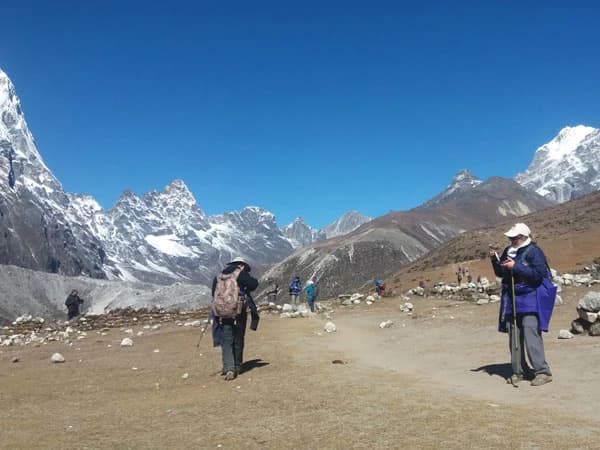
The trail follows a single circuit with clear daily stages. Each day ends at a village with tea house accommodation. There are no complex route-finding decisions or technical sections that would separate a group. From Machha Khola to Bimthang, the route is logical, well-maintained, and appropriate for groups with varying fitness levels moving at a shared pace.
How does the Tea House Trekking support group travel?
Tea houses on the Manaslu route have shared dining rooms with central heating from wood or gas stoves. Groups eat together, share route information, and rest in the same space each evening. You do not need to set up camps, cook meals, or organize gear separately. The tea house system does that work for you.
Why do restricted area rules encourage group trekking?
Nepal's government requires all trekkers in the Manaslu restricted area to carry a Manaslu Restricted Area Permit (MRAP), a Manaslu Conservation Area Permit (MCAP), and an Annapurna Conservation Area Permit (ACAP) because the circuit exits via the Dharapani area. These permits require a minimum of two foreign trekkers and a licensed guide from a registered company. The group join format meets all of these requirements automatically.
What kind of trekkers enjoy group trekking on Manaslu?
Trekkers who enjoy meeting people, prefer having logistics managed for them, and want the comfort of a guide and fellow walkers on a remote Himalayan route are the best fit for group join departures. This format works especially well for first-time visitors to Nepal who want a genuine mountain experience without the complexity of organizing everything independently.
How Difficult Is the Manaslu Circuit Trek for Group Trekkers?
The Manaslu Circuit Trek is physically demanding because of altitude, long trekking days, and the crossing of Larkya La Pass.
What makes the Manaslu Circuit physically challenging?
The trail climbs from 900 meters at Machha Khola to 5,106 meters at Larkya La Pass. Total elevation change over the full circuit is roughly 20,000 meters up and down combined. Daily elevation gain in the upper sections between Samagaon and Dharamsala runs between 300 and 650 meters. The terrain includes rocky paths, steep stone staircases, river crossings on narrow logs, and exposed ridgelines above 4,000 meters.
How many hours do groups walk each day?
Most trekking days run five to eight hours. Lower sections between Machha Khola and Namrung feel more manageable. Above 3,500 meters, the same distance takes more time because the group moves more slowly to manage altitude. The Larkya La crossing is the longest day, at 10 to 11 hours. Guides build in regular rest stops throughout each day.
Is altitude or trail terrain harder for trekkers?
Altitude is the bigger challenge for most group trekkers. The trail itself does not require technical skills. But reduced oxygen above 3,500 meters changes how your body performs. Appetite drops. Sleep quality suffers. Energy depletes faster than at lower elevations. Guides monitor the group for these signs and adjust pace and rest time accordingly.
Can beginners join Manaslu group treks?
Yes. Beginners who are physically prepared and follow acclimatization advice complete this trek successfully every season. If you can walk consistently for six to eight hours with a light day pack and handle uphill terrain without stopping every few minutes, you can do this trek in a group.
How Does Acclimatization Work During a Group Trek?
Acclimatization is critical on the Manaslu Circuit because trekkers gradually ascend above 3,000 to 5,000 meters during the route.
Why are acclimatization days included in the itinerary?
Most good itineraries include a rest day at Samagaon at 3,530 meters and sometimes a second rest day at Samdo at 3,860 meters. On these days, the group hikes to a higher elevation point during the day and returns to sleep lower. This "climb high, sleep low" approach helps every member of the group adapt before the final push toward Larkya La.
How do guides monitor altitude symptoms in groups?
At Regal Nepal Treks, our guides carry pulse oximeters on every trek. They check oxygen saturation readings for each trekker at rest stops above 3,500 meters. Group readings are compared daily. If one trekker shows declining saturation, the entire group slows down for that day. This shared monitoring protects everyone, not just the individual showing symptoms.
Why does slow pacing matter on Manaslu?
Walking too fast at altitude increases heart rate before the body has adapted to lower oxygen. This dramatically raises the risk of Acute Mountain Sickness. In a group, the guide sets a pace that is comfortable for the slowest member. By the time the group reaches Dharamsala, that slow and steady approach consistently produces better outcomes than groups that rush.
What AMS symptoms should trekkers watch for?
Mild symptoms often improve with hydration and rest. Severe symptoms require descent and medical attention immediately.
What Does a Typical Group Join Itinerary Look Like?
Most Manaslu group join itineraries take 14 to 16 days and include acclimatization days before crossing Larkya La Pass.
|
Day
|
Route
|
Approx Time
|
|
1
|
Kathmandu to Machha Khola
|
8-10 hrs drive
|
|
2
|
Machha Khola to Jagat
|
6-7 hrs
|
|
3
|
Jagat to Deng
|
6-7 hrs
|
|
4
|
Deng to Namrung
|
6-7 hrs
|
|
5
|
Namrung to Samagaon
|
6-7 hrs
|
|
6
|
Acclimatization Day
|
Rest/Hike
|
|
7
|
Samagaon to Samdo
|
4-5 hrs
|
|
8
|
Acclimatization Day
|
Rest/Hike
|
|
9
|
Samdo to Dharamsala
|
4-5 hrs
|
|
10
|
Dharamsala to Bimthang
|
10-11 hrs
|
|
11
|
Bimthang to Dharapani
|
6-7 hrs
|
|
12
|
Drive to Kathmandu
|
Full day
|
What Are Tea Houses Like on the Manaslu Circuit?
Tea houses on Manaslu are simple mountain lodges that provide meals, beds, and shelter throughout the route.
What facilities are available?
Most tea houses provide:
Facilities become more limited above Samdo.
What food do trekkers usually eat?
Dal Bhat remains the standard trekking meal because it provides unlimited rice refills and reliable energy. Trekkers also eat noodles, soups, pasta, fried rice, potatoes, pancakes, and eggs throughout the route.
Meal prices increase with altitude. Dal Bhat in Samdo often costs 700 to 900 NPR because supplies are carried into remote villages by mule or porter.
How cold do tea houses get?
Night temperatures near Dharamsala often drop below -10°C during October and November. Dining halls stay warm in the evenings, but bedrooms are not heated. A sleeping bag rated to at least -15°C comfort is strongly recommended.
What Should Trekkers Pack for a Group Join Trek?
Packing correctly for Manaslu improves comfort, safety, and acclimatization during long high-altitude trekking days.
Essential trekking gear
What gear do trekkers underestimate on Manaslu?
Many trekkers underestimate:
-
cold-weather gloves
-
spare socks
-
lip balm
-
sunscreen
-
power banks
-
wet wipes
-
insulated water bottles
Batteries drain quickly above 4,000 meters. Guides recommend keeping electronics inside sleeping bags at night.
How heavy should trekking bags be?
At Regal Nepal Treks, we recommend keeping duffel bags under 13kg. Heavy bags quickly exhaust porters and slow group movement during steep uphill sections.
What Is Included in a Manaslu Group Join Trek Package?
Most Manaslu group trekking packages include permits, guides, accommodation, transportation, and trekking logistics management. Understanding exactly what is and is not covered helps you budget correctly before you book.
Which trekking permits are included?
A full package from Regal Nepal Treks covers:
-
Manaslu Restricted Area Permit (MRAP): $100 per person for the first 7 days in peak season (September to November and March to May), $75 in off-peak, plus $15 per additional day
-
Manaslu Conservation Area Permit (MCAP): $30 per person
-
Annapurna Conservation Area Permit (ACAP): $30 per person
-
National Park entry fees where applicable
All permits are processed in Kathmandu before departure. You do not need to arrange any of these separately.
Are transportation and jeep transfers included?
Yes. Group packages include a shared jeep from Kathmandu to Machha Khola at the start and return transport from Besisahar or Dharapani to Kathmandu at the end. This transport is shared within the group, which reduces both cost and the coordination burden for individual trekkers.
What accommodation is provided during the trek?
All accommodation is in local tea houses along the route. These are family-run lodges with simple twin or single rooms, shared toilet facilities, and a communal dining hall. Above 3,500 meters, rooms are basic with minimal heating. A quality sleeping bag rated to minus ten degrees Celsius is essential gear you bring with you.
Are porters included in group join packages?
Group packages typically include a shared group porter who carries communal gear and emergency supplies. Personal porter service, where a porter carries your individual main bag, is usually available as an add-on for around $15 to $25 per day. For first-time trekkers, hiring a personal porter is strongly recommended. It keeps your day pack light and conserves energy for the altitude.
How Much Does a Manaslu Circuit Group Join Trek Cost?
Group join treks usually cost less than private treks because transportation, guides, permits, and logistics are shared among trekkers. Understanding the cost breakdown helps you plan your total Nepal budget accurately.
Why are group treks more affordable than private treks?
A private Manaslu trek for one or two people requires covering full guide and porter wages, full jeep transport costs, and all logistics management fees independently. When those fixed costs are split across four to ten group members, the per-person price drops considerably. A private trek typically runs $1,400 to $1,800 per person. A group join trek on the same route generally runs $900 to $1,250 per person, depending on the operator and season.
What costs are usually included in packages?
-
All trekking permits (MRAP, MCAP, ACAP)
-
Licensed lead guide wages
-
Shared porter for group equipment
-
Tea house accommodation throughout the trek
-
Breakfast and dinner at tea houses
-
Jeep transport from Kathmandu to the trailhead and back
-
Pre-trek briefing and kit check in Kathmandu
What extra expenses should trekkers expect?
|
Extra Expense
|
Why It Matters on the Trek
|
Approximate Cost (2026)
|
|
Personal porter (recommended for beginners)
|
Helps reduce fatigue during long uphill trekking days and improves acclimatization comfort
|
$15 to $25 per day
|
|
Lunches on the trail
|
Meals become more expensive at higher altitude because supplies are transported by mule or porter
|
$5 to $10 per meal
|
|
Hot showers at tea houses
|
Most upper tea houses charge separately for hot water or gas-heated showers
|
$2 to $3 per shower
|
|
Device charging at lodges
|
Charging systems in remote villages often rely on solar or limited hydroelectric power
|
$1 to $2 per hour
|
|
Travel insurance (required)
|
High-altitude trekking insurance should include helicopter evacuation coverage
|
Varies by policy
|
|
Nepal visa
|
Tourist visa cost depends on the number of days you stay in Nepal
|
$30 to $50 depending on duration
|
|
Tips for guide and porter
|
Tipping is part of trekking culture and supports local trekking staff directly
|
$10 to $15 per day suggested
|
How do trekking seasons affect pricing?
Peak season departures in October and April carry the higher $100 MRAP permit cost. Off-peak departures from December to February and June to August carry the $75 permit rate. However, off-peak trekking on Manaslu is not recommended for beginners because of the weather and pass conditions. Most group join packages are priced assuming peak season permits.
What Is the Best Season for a Manaslu Group Join Trek?
Spring and autumn are the best trekking seasons for Manaslu because weather conditions are more stable, and mountain visibility improves.
Why is autumn the most popular season?
October and November usually provide:
This is also the busiest season, so tea house availability becomes tighter.
Why do trekkers also choose spring?
Spring offers:
Snow near Larkya La can remain heavier in early spring.
Is winter trekking possible?
Winter trekking is possible, but much harder because:
Most group departures stop during the peak winter months.
What Mistakes Should Trekkers Avoid?
Most trekking problems on Manaslu happen because trekkers underestimate altitude, weather, and physical fatigue.
Common mistakes on the Manaslu Circuit
Why hydration matters at altitude
Dry mountain air causes dehydration faster than most trekkers expect. Many guides recommend drinking at least 3 to 4 liters daily above 3,500 meters.
Why trekkers should carry extra cash
There are no ATMs after leaving Kathmandu. Charging electronics, hot showers, snacks, and drinks all require cash in remote villages.
Why Trek With Regal Nepal Treks?
At Regal Nepal Treks, we organize Manaslu group departures with experienced local guides who understand the route through years of Himalayan trekking experience.
Our trekking teams focus strongly on:
-
altitude safety
-
realistic pacing
-
proper acclimatization
-
tea house coordination
-
weather awareness
-
responsible trekking
We keep group sizes manageable so guides can monitor every trekker properly throughout the route. Our goal is not simply to get trekkers across the pass. We focus on making the entire journey safe, organized, and enjoyable from Kathmandu to Dharapani.
FAQs About Manaslu Circuit Group Join Trek
Is a group mandatory for the Manaslu Trek?
Yes. Nepal requires at least two trekkers and a licensed guide for the Manaslu Restricted Area Permit.
How much does a Manaslu group join trek cost?
Most group join treks cost between $1,200 and $1,900, depending on services, transportation, guide ratio, and season.
How many people are usually in a group?
Most groups contain 4 to 10 trekkers.
Is the Manaslu Circuit harder than the Everest Base Camp?
Manaslu usually feels more remote and physically demanding because of longer trekking days and rougher infrastructure.
Can beginners join a Manaslu group trek?
Yes. Beginners with reasonable fitness and proper acclimatization can complete the trek successfully every season.